


Can Nationwide Virtual Parent Coaching Strengthen Teen Aftercare?
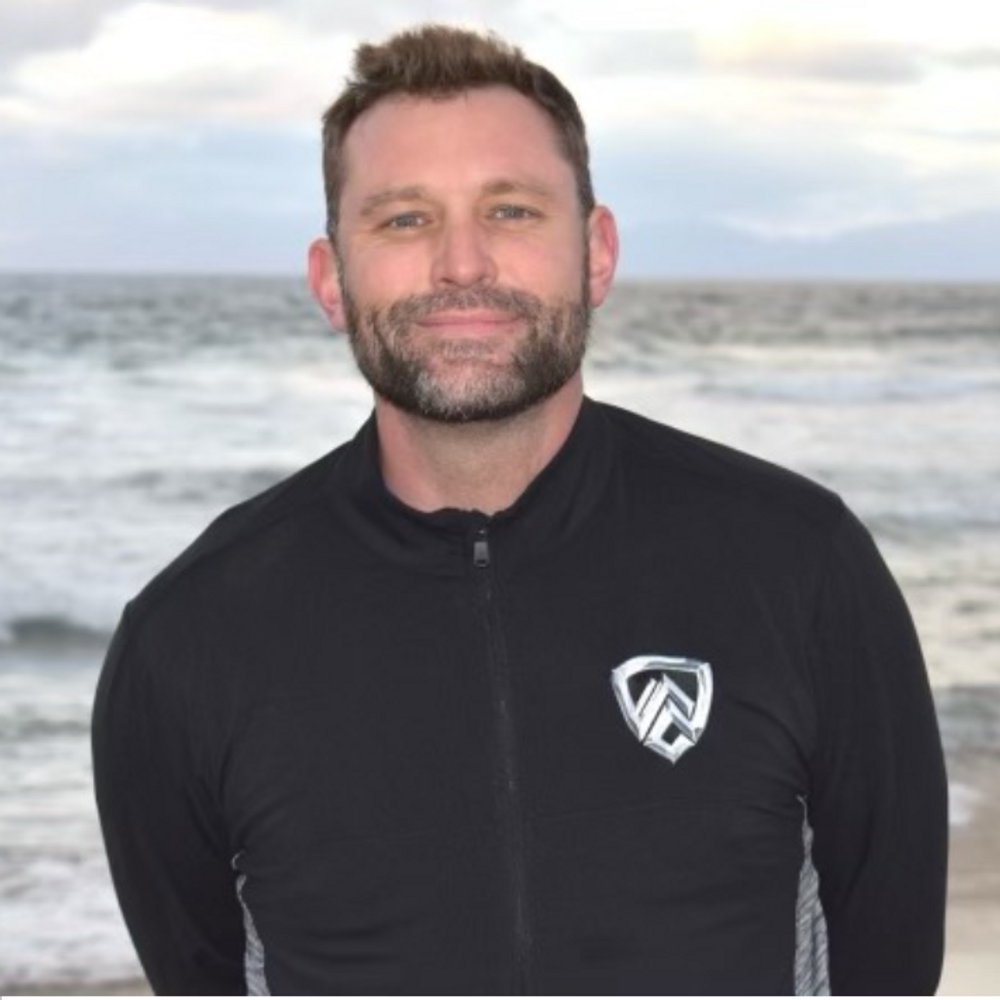
Written by Tynan Mason of Higher Grounds Management
The hardest part of treatment is often not getting a teenager through the program. It is bringing the gains home. In Coach Ty’s work, the real test begins when school resumes, the phone comes back, friends reappear, and parents must decide which expectations will hold when no staff member is present. Nationwide virtual parent coaching can strengthen teen aftercare when it helps families carry treatment gains into daily life. It should not replace therapy, psychiatry, or higher levels of care; it should help parents support what treatment already started.
Higher Grounds’ Back On Track Digital E-Course gives families a structured starting point for accountability, routines, executive functioning, and follow-through.
Discharge Does Not Automatically Reorganize the Home
A discharge plan can be clinically sound and still collide with an unchanged household.
A teenager may return from outpatient treatment, residential care, intensive therapy, or another structured setting with better insight and stronger coping skills. Yet home asks different questions. Can the teen wake without staff prompting? Can parents hold a limit without turning the evening into a battle? Can school expectations resume without constant rescue? Can technology return without consuming sleep and homework?
This is where aftercare matters. The question is whether the family can help treatment gains survive ordinary pressure.
Virtual Support Should Preserve Momentum
Nationwide virtual coaching is valuable because it can continue the work after geography, scheduling, or discharge would otherwise create a gap.
Coach Ty uses that space to help parents think through decisions that become difficult once the teen is home. Which privileges return immediately? Which should be earned back gradually? What happens after the first missed class, dishonest answer, late-night screen binge, or refusal to follow a routine? How can parents respond without treating one setback as proof that everything has failed?
Families can learn more about parent coaching, mentoring, executive-functioning support, behavioral structure, and virtual implementation through Higher Grounds Management.
Good Aftercare Gives Responsibility Back
One of the most understandable reactions after treatment is overprotection.
Parents may have spent months worrying about grades, mood, substance use, sleep, peers, or safety. When the teen comes home, monitoring can quickly become managing every assignment, alarm, appointment, location, and decision.
Coach Ty looks for responsibility to move back toward the teenager in deliberate increments. The teen increasingly owns the alarm, the assignment, the apology, the appointment, and the consequence of poor follow-through. Parents remain involved, but they stop carrying work the young person is capable of learning to manage.
Digital Reentry Needs Its Own Plan
Returning home often means returning to unrestricted digital access.
That can quietly destabilize progress. Sleep shifts later. Homework is delayed. Isolation increases. Emotional regulation becomes tied to gaming, scrolling, or constant peer contact.
American SPCC’s guidance on problematic screen use highlights secrecy, worsening school performance, conflict, sleep disruption, and withdrawal from offline interests. Those are useful aftercare markers because relapse does not always look dramatic. Sometimes it looks like a routine slowly becoming less functional.
When technology is part of the problem, Higher Grounds can support clearer boundaries with its Qustodio App Setup Guide.
For clinically appropriate young people who benefit from experiential work, The Ranch can
provide physical activity, outdoor responsibility, animal care, and reduced digital stimulation. The purpose is creating contrast that can be translated back into ordinary life.
Measure the Return, Not Just the Mood
After treatment, parents often ask, “Is my teen doing better?” That matters, but it is too vague to guide a family.
Tynan Mason works closely with Jose Juan “JJ” Bustamante, BCBA — Certification No. 1-11-9050, NPI No. 1023416039 — strengthening Higher Grounds Management’s use of behavioral observation, measurable patterns, and evidence-based decision-making. Together, they help families step outside the emotion of a difficult moment, examine what the behavior is actually showing, and use data-informed strategies to modify unwanted patterns over time.
Progress may look like fewer prompts before school, more consistent attendance, shorter conflicts, greater honesty after mistakes, better sleep, completed responsibilities, or faster repair after an argument.
Higher Grounds’ data-informed family model has also been profiled by Wellness Voice and Forbes.
Research Supports Structured Virtual Family Involvement
A 2026 randomized clinical trial in JAMA Network Open followed 456 Hispanic adolescent-parent pairs across 15 pediatric clinics. The 12-week intervention combined online parent groups with facilitator-guided parent-adolescent sessions focused on communication, monitoring, involvement, and support.
Over 36 months, the intervention was associated with reduced adolescent drug use and lower initiation of alcohol or harder drugs compared with treatment as usual. It did not improve every outcome, including sexual-risk behavior and a broad family-functioning measure.
The study is not evidence specifically for Higher Grounds. It does support a broader principle: structured, culturally responsive family involvement delivered remotely can influence meaningful adolescent outcomes over time.
Who Is Virtual Aftercare For?
Nationwide virtual parent coaching may fit families whose teenager is stable enough to remain at home but whose parents need help preserving structure, interpreting setbacks, coordinating expectations, or preventing drift toward old patterns.
It is not a substitute for emergency psychiatry, medical detoxification, active eating-disorder treatment, acute suicidality management, psychosis care, or another clinically indicated level of treatment.
The goal is to help the family become more capable because support existed.
Aftercare Is Where Treatment Has to Become Life
A program can interrupt a crisis. Aftercare has to build something that survives after the crisis loses its urgency.
For Coach Ty, the standard is practical: fewer reminders, more responsibility moving back toward the teen, and greater confidence from parents who know what they will do before the next difficult moment arrives.
The strongest aftercare does not make support permanent. It makes progress portable.
References
Estrada, Y., et al. (2026). A primary care e-health family intervention for risk behaviors in Hispanic youths: A randomized clinical trial. JAMA Network Open. JAMA Network Open
American SPCC. Teen Screen Addiction: 10 Warning Signs Parents Shouldn’t Ignore. American SPCC
Bent, A. (2026). Higher Grounds Management: Bringing a data-informed approach to family behavioral support. Wellness Voice. Wellness Voice
MacArthur, H. V. (2025, December 18). The invisible responsibility: Leaders supporting mental health. Forbes. Forbes


