


What Can Parents Do If Weekly Therapy Isn’t Enough for Their Teen In Torrance & Palos Verdes & Rolling Hills
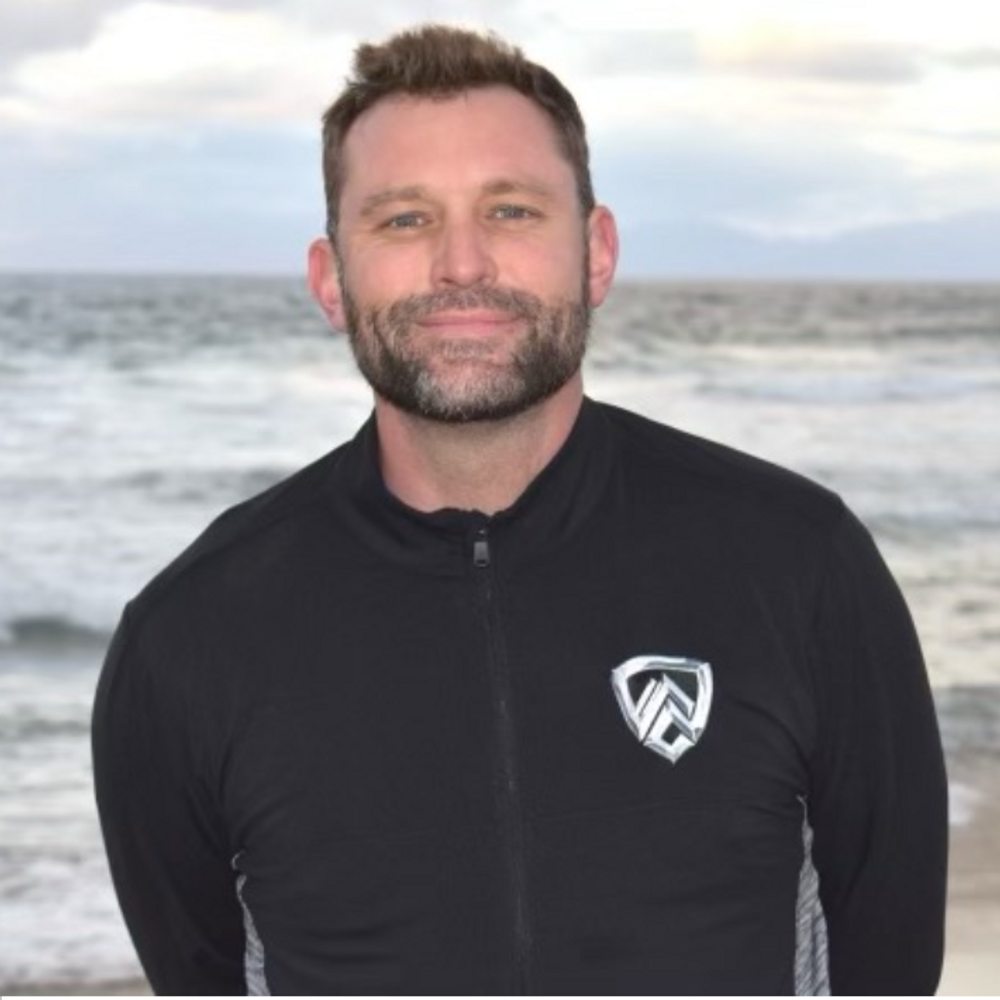
Written by Tynan Mason of Higher Grounds Management
Why Can Returning to School Be a “Stress Test” for Teens Already in Therapy?
For many children and teens in the South Bay, weekly therapy has been a lifeline. It provides a safe space to process feelings, learn coping skills, and build confidence. But when the school year begins, even kids who were making progress may suddenly struggle again.
The return to campus often acts as a “stress test” — exposing gaps between what a teen has learned in therapy and what they can apply in real life. Parents may notice new or intensified behaviors like:
Increased mood swings or irritability.
Withdrawal from friends or family.
Falling behind on schoolwork.
Regression into old habits.
If this sounds familiar, it doesn’t mean therapy isn’t working. It may simply mean your child needs additional, structured support to manage the challenges of returning to school.
If your teen is showing signs of regression despite therapy, contact us today. Higher Grounds Management can help you determine if it’s time to add a stronger layer of care.
Why Isn’t Weekly Therapy Always Enough?
Weekly therapy sessions typically last 45–60 minutes. While they provide valuable tools and insights, they often aren’t frequent or immersive enough for students facing daily academic and social stressors.
Think of it this way: it’s like going to the gym once a week. You’ll build some strength, but progress is slow — and setbacks can happen quickly without regular reinforcement. Teens experiencing heightened anxiety or avoidance may need more practice, more accountability, and more consistent support to truly stabilize.
What Are the Signs That Your Child May Need More Than Weekly Therapy?
Parents often ask, “How do I know if therapy alone isn’t enough?” Here are some red flags to watch for during the school year:
Frequent complaints of anxiety, stomachaches, or headaches before school.
Sudden mood swings, irritability, or defiance that feel out of character.
Isolation from peers, family, or previously enjoyed activities.
Declining grades or missed assignments despite ongoing therapy.
Regression into harmful behaviors, such as avoidance or risky decisions.
These warning signs suggest that while therapy provides a foundation, your child may need an added layer of structured care to stay on track.
How Do Programs Like PHP and IOP Provide a “Boost”?
When weekly therapy isn’t enough, more intensive levels of care can fill the gap. Two common options are:
Partial Hospitalization Programs (PHP): Daily structured sessions (often 5 days per week) that combine therapy, skill-building, and academic support.
Intensive Outpatient Programs (IOP): Multiple sessions per week, offering strong support while still allowing students to maintain parts of their normal school routine.
These programs don’t replace therapy — they reinforce and expand upon it. By providing daily practice and accountability, they help teens apply what they’ve been learning in real-life settings.
How Does Higher Grounds Management Work With Outside Therapists?
One of the biggest concerns parents express is, “Will an intensive program replace my child’s therapist?” The answer is no. At Higher Grounds Management, we believe in collaboration, not replacement.
Here’s how we align with existing therapists:
Collaboration: We share updates and strategies with your child’s therapist so everyone stays on the same page.
Reinforcement: The skills your child learns in therapy are practiced and strengthened in structured, daily settings.
Continuity: When the program ends, your child transitions smoothly back to regular therapy with stronger tools and confidence.
This team-based approach ensures your child receives the best of both worlds — consistency with their trusted therapist and the added boost of intensive care.
Why Is Alignment Between Therapists and Programs So Important?
Imagine building a house with two contractors who never talk. The result might be disjointed and incomplete. The same goes for mental health care.
When therapists and intensive programs work in silos, teens may receive mixed messages, inconsistent strategies, or duplicated efforts. But when they align, the benefits multiply:
Consistency between therapy and daily support.
Clear communication between professionals and parents.
Faster progress and stronger outcomes for the teen.
At Higher Grounds, we prioritize open collaboration so parents feel confident their teen is supported from all sides.
How Can Parents Support Their Teen During This Process?
Parents play a vital role in making intensive care successful. You can:
Keep open communication with your child’s therapist and program team.
Encourage consistency by reinforcing coping skills at home.
Validate your teen’s feelings without judgment.
Maintain structure and accountability around school routines.
By modeling stability and encouragement, parents help their teens fully benefit from both therapy and structured programs.
What Should Families in the South Bay Do First?
If you’re wondering whether your child needs more than weekly therapy, start by talking with their current therapist. Ask:
Do you see signs my teen may need more support?
Would intensive programming help reinforce what we’re working on?
How can we align care to prevent regression?
Then, reach out to Higher Grounds Management. We’ll walk you through the options and help you decide whether PHP, IOP, or in-home coaching is the right next step.
How Can Teens Find Stability and Success Again?
School transitions don’t have to undo months of progress. With the right support, teens can manage anxiety, rebuild confidence, and re-engage both academically and socially.
By aligning intensive programs with outside therapy, families in Manhattan Beach, Hermosa Beach, Redondo Beach, and beyond can give their teens the boost they need — without losing the trusted foundation of weekly therapy.
If you’re in Manhattan Beach, Hermosa Beach, Redondo Beach, El Segundo, Torrance, Rolling Hills, Rancho Palos Verdes, Newport Beach, Corona Del Mar or anywhere in Orange County, Higher Grounds Management is here to help. We also offer virtual support and therapy to families nationwide.
We’re here to help—in your home or virtually. Contact us today to get started.
Written by Tynan Mason of Higher Grounds Management


