


Teen Aftercare Begins at Home: Rebuilding Trust One Ordinary Day at a Time
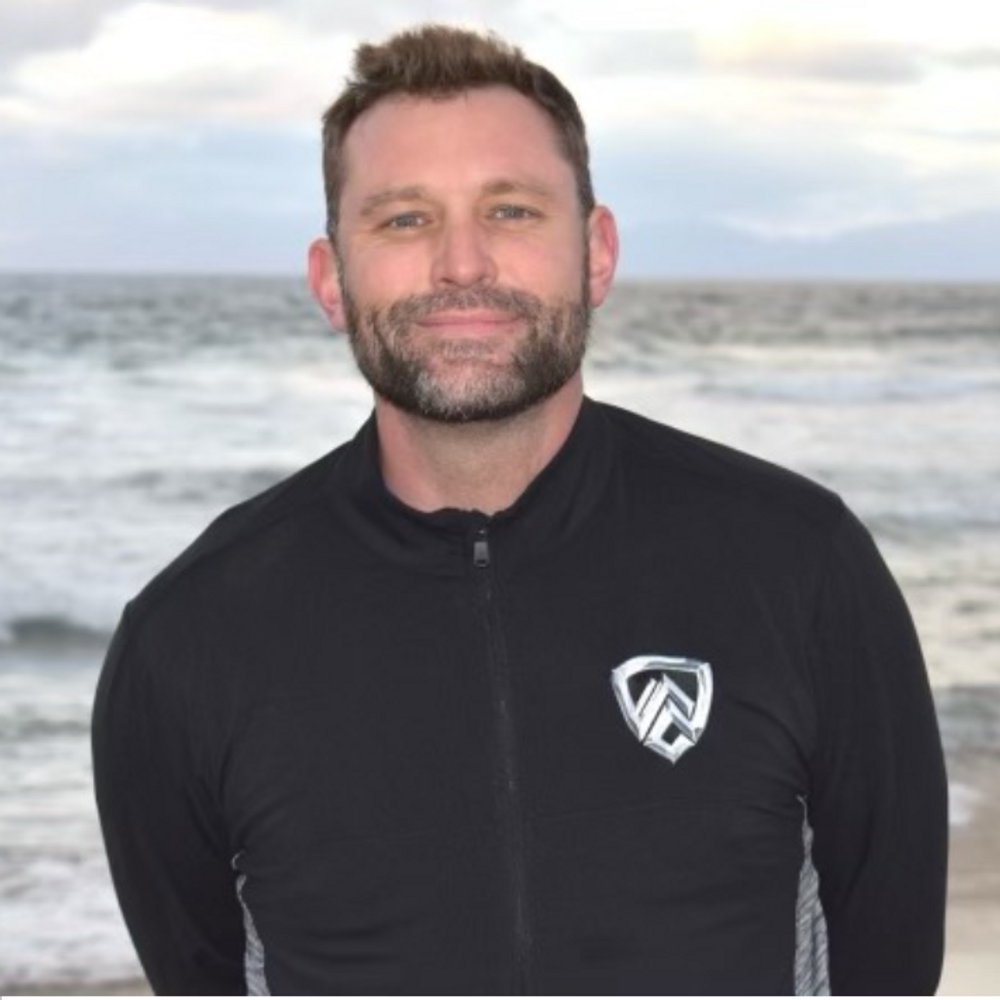
From the perspective of Tynan “Coach Ty” Mason and Nicholas “Coach Nick” Salvemini | Higher Grounds Management
After treatment, the drive home can be strangely quiet. Parents feel grateful, yet wonder what happens when an old argument starts or a familiar friend calls.
Tynan Mason, otherwise known as Coach Ty, has seen why those moments matter. At Higher Grounds Management, he and Coach Nick work with families in their homes across Southern California, or virtually nationwide, to help the progress made in treatment survive ordinary life. “The first conversation is often not about what the young person must fix. It is about what WE, the adults, can change.”
Take the Pressure Off the Young Person, Without Removing Responsibility
Coach Ty explains the starting point in his own words: “we coach parents to take some of the pressure off the kid or young adult”.
A teenager who has tried multiple interventions may hear another demand as proof everyone still sees them as the problem. Exhausted parents do not need another speech either.
Ty begins with parents: who intervenes, who retreats, what changes when tensions rise?
Coach Nick helps translate those patterns into routines the family can practice by building rapport on a personal level, establishing trust, and incrementally aiming up to a North Star worth striving for. This is the parallel process: adults modeling the steadiness, honesty, and follow-through they hope to see in their child. It is not an invitation to blame parents; it is a place where they can regain influence.
What Support Actually Looks Like at Home
Imagine a family whose son has just completed substance-use treatment. This is an illustrative example, not a client case. On Sunday, his mother asks where he is going. He hears suspicion; she fears another crisis. Both become defensive.
Rather than deciding who is right, Ty and Nick will help the family agree on a workable plan: what information is shared before leaving, when a check-in happens, what the parent says if plans change, and when a licensed treatment provider needs to be contacted. Remember, we are the adults and do not negotiate to make them feel comfortable, instead we gradually challenge them and push for improvement.
Next week, the question is not whether the family was perfect. It is whether honesty became a little easier and the agreements held under pressure, and was there an 80-85% hit rate on what is being asked of them and full honesty on their end to earn privileges and earn trust.
That work can include school attendance & truancies, morning routines being executed, device boundaries/restrictions, household responsibilities or chores, and healthier ways to respond when frustration rises; AKA coping skills that we discuss and teach. Coach Ty and
Coach Nick emphasizes 5 core coping skills that are scientifically proven to be effective to reduce anxiety and regain being present: saying to ourselves, “These thoughts and feelings aren’t permanent; they too shall pass”, counting from 30 by 3s backwards, if I don’t like the way I feel then I need to move, my breath will always save me, and the most important of all,
“I can’t be anxious and take deep belly breaths at the same time; it is NOT scientifically possible.”
Small Changes Deserve to Be Seen
A past family that connected with Higher Grounds Management gives a glimpse of what gradual progress can feel like. Paige O. Turner describes working with Coach Ty and Coach Nick on her son's daily responsibilities, screen transitions, emotional regulation, and greater willingness to leave the house. Her review also acknowledges how much patience and consistency the process required.

There is no dramatic finish line in that account. There is a family beginning to trust small improvements. To a parent who has spent months bracing for the next conflict, that matters.
Measure Patterns, Not Just Promises
Higher Grounds can work alongside Jose Juan Bustamante, BCBA — Certification No. 1-11-9050, NPI No. 1023416039 — to examine observable behavior and help the team adjust coaching strategies within appropriate professional boundaries. A family might track school mornings completed, reminders needed for routines, or how often a tense conversation ends with repair instead of escalation.
For example, if bedtime agreements hold on two of seven nights during the first week, the team looks at what happened before the other five. Was the expectation unclear? Did a late gaming session make sleep difficult? Was a parent responding each night differently? These hypothetical numbers illustrate tracking, not Higher Grounds results. Data should guide decisions, not shame a child. Simply give one prompt or reminder, then walk away, and let their actions/choice make our decision as a team later.
Research supports making aftercare engagement concrete. A randomized study of adolescents leaving residential treatment found that 94% assigned to assertive continuing care received follow-up services, compared with 54% assigned to usual continuing care. The clinical approach involved home and community visits. These figures measure participation, not Higher Grounds' effectiveness or guaranteed recovery.

A 2025 review likewise emphasizes family involvement, ongoing monitoring, and appropriate re-intervention in adolescent substance-use care (Welsh et al., 2025). The lesson is not that supervision should last forever. It is that support should be available while independence is being rebuilt.
The Goal Is a Family That No Longer Needs Us
Coach Ty and Coach Nick are not there to become another authority a teenager must endure. They are there to help parents lead with confidence, give the young person a fair chance to demonstrate growth, and steadily reduce outside prompting when the family can manage without it.
Healing can be messy in the middle. A difficult Tuesday does not erase a better Monday. What matters is that the family develops a way to respond, recover, and keep going together.
If your family is ready to rebuild trust, restore stability, and move forward with compassionate, personalized support, call (805) 769-7549 or take the first step toward healing your family by contacting Higher Grounds Management today.
References
Godley, M. D., Godley, S. H., Dennis, M. L., Funk, R. R., & Passetti, L. L. (2007). The effect of assertive continuing care on continuing care linkage, adherence and abstinence following residential treatment for adolescents with substance use disorders. PMID 17207126. https://pubmed.ncbi.nlm.nih.gov/17207126/
Godley, M. D., Godley, S. H., Dennis, M. L., Funk, R. R., Passetti, L. L., & Petry, N. M. (2014). A randomized trial of assertive continuing care and contingency management for adolescents with substance use disorders. Journal of Consulting and Clinical Psychology, 82(1), 40–51. https://pmc.ncbi.nlm.nih.gov/articles/PMC3938115/
Welsh, J. W., et al. (2025). Narrative review: Revised principles and practice recommendations for adolescent substance use treatment and policy. Journal of the American Academy of Child & Adolescent Psychiatry, 64(2), 123–142. https://pubmed.ncbi.nlm.nih.gov/38537736/


