


Is Your Teen’s Arrogance Actually Just Fear in Disguise? Your Family May Need Deeper Insight and Real Intervention From Award-Winning Behavioral Intervention & Family Therapy Higher Grounds Management
Join us for our new digital detox and wellness retreat for youth ages 10-12, teens, and young adults at The Ranch.
Discover the step-by-step strategies to restore connection and establish healthy digital boundaries in your home with our interactive Family Playbook.
Want to monitor and limit your teen's screen time? Follow our free set-up guide for the Qustodio App.
PuraVida Therapy: Gratitude & Wellness Retreats for Teens & Young Adults. Surf 🏄 + Skate 🛹 + Snow 🏂
Get access to our exclusive e-course for children, teens, and young adults struggling with screen addiction: The 3 to 7 Day Digital Detox Challenge E-Course.
Contact a behavioral consultant team that is proven to get results for you and your family, no matter which city and state you live in, with Higher Grounds Mgmt.
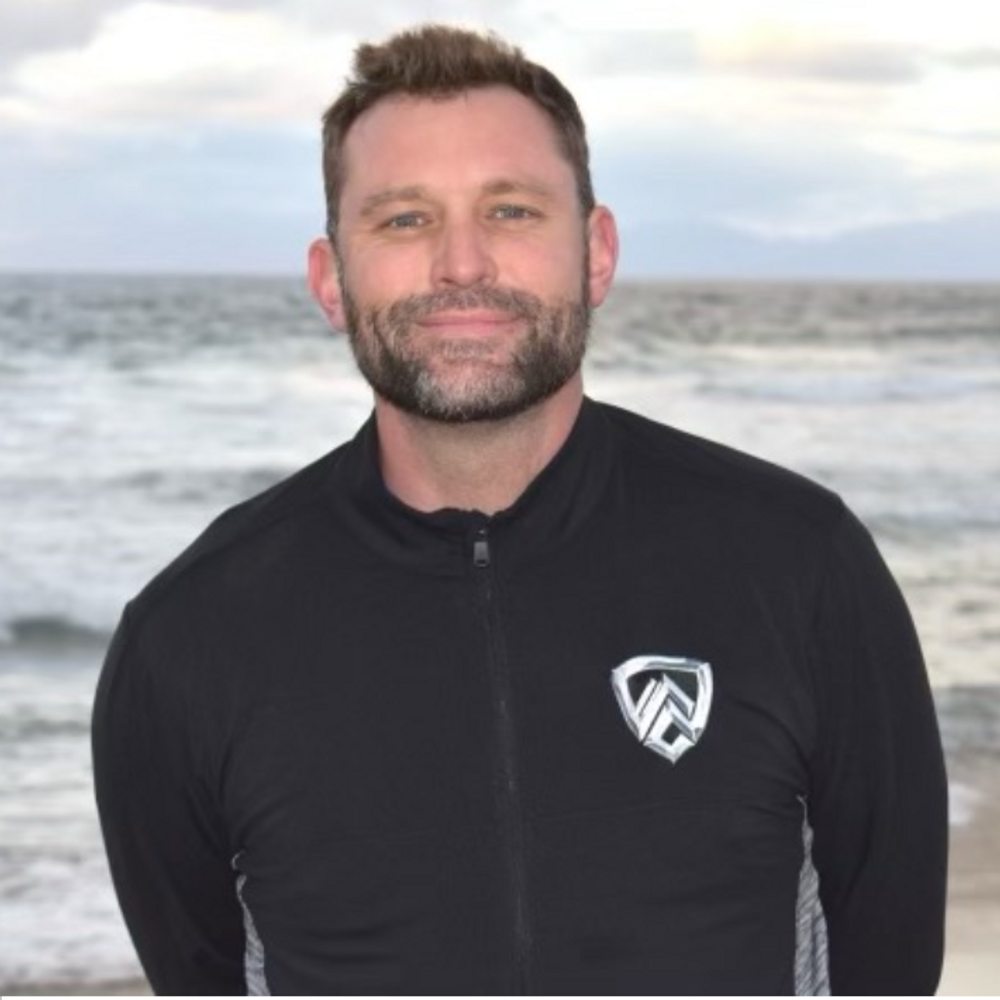
Written by Tynan Mason of Higher Grounds Management
The Loudest Shield in the Room
We have all seen it: the teenager who refuses to ask for directions, who scoffs at instructions, and who claims to be an expert on a subject they just saw on a ten-second TikTok. To a parent, this arrogance is infuriating. It feels like disrespect. It feels like they are impossible to teach because they are already full.
But look closer. This bluster is rarely genuine confidence. It is a shield. In a world that demands perfection and instant expertise, admitting "I don't know" feels dangerous to a teen. They fear that a gap in knowledge is a flaw in character. So, they posture. They fake it. And in doing so, they lock themselves in a prison of insecurity, terrified that someone will pull back the curtain and see they are just a kid trying to figure it out.
The antidote to this brittle arrogance is not to break their spirit, but to introduce them to the quiet power of humility. In the 3 to 7 Day Challenge, we flip the script. We teach that the smartest person in the room is not the one talking, but the one listening.
Is Humility Weakness?
There is a cultural misconception that humility means thinking less of yourself. We equate it with meekness or a lack of ambition. This is false. True humility is not thinking less of yourself; it is thinking of yourself less. It is the removal of the ego from the equation of learning.
When we teach humility to teens, we frame it as a strategic advantage. If you are too proud to ask how to fix the engine, you stay broken down on the side of the road. If you are humble enough to ask for help, you get back on the highway. Humility is simply the willingness to see reality as it is, rather than how you want it to be.
This is the gateway to growth. You cannot fill a cup that is already full. By emptying their cup, by admitting what they do not know, teens open themselves up to the actual acquisition of skill.
The Humility-Confidence Loop
Here is the secret we unlock in our curriculum: Humility and confidence are not opposites; they are partners.
Humility is the strength to say, "I don't know how to do this yet."
Confidence is the belief that says, "But I am capable of learning it."
You cannot have one without the other. Without humility, confidence becomes delusion ("I'm already great"). Without confidence, humility becomes insecurity ("I'm not good enough").
We help teens build this loop. When they face a new challenge, whether it's a difficult conversation in the e-course or a stubborn horse at The Ranch, we encourage them to start with "I don't know." That admission lowers the pressure. It removes the need to perform.
Then, as they apply effort and gain competence, they build a confidence that is real. It is not based on a fake image; it is based on the track record of overcoming their own ignorance.
Why Screens Kill Humility
The internet is an arrogant machine. It provides surface-level answers to deep questions instantly. A teen can read a headline and feel informed. They can leave a comment correcting a stranger and feel superior. This "knowledge without effort" creates a fragile ego.
Screen addiction trains teens to avoid the vulnerability of being a beginner. In a video game, if you are bad, you respawn or quit. In social media, if you don't look perfect, you use a filter.
The 3-to-7 Day Digital Detox Challenge E-Course forces a pause. It asks questions that
cannot be Googled. It demands introspection. By stripping away the digital tools that allow them to fake expertise, we force them to sit with the discomfort of the unknown. This is where the seed of humility is planted.
The Parallel Process: Can You Say "I Was Wrong"?
As parents, we are the primary role models for how to handle authority and knowledge. When was the last time you apologized to your teen? When was the last time you said, "I don't know the answer to that, let's look it up together"?
If you parent from a position of infallibility, never admitting a mistake, always needing to be "right", you are teaching your teen that being an adult means never being humble. You are teaching them that authority is about dominance, not competence.
The "Parallel Process" challenges you to drop the mask. Let your teen see you struggle with a new skill. Let them hear you admit when you overreacted. When you model humility, you show them that it is safe to be imperfect. You show them that respect is earned through honesty, not through pretending to be a god.
The Ultimate Freedom
A humble teen is a free teen. They are free from the exhausting need to prove themselves in every interaction. They are free to ask questions. They are free to fail and try again.
This is the transformation we aim for. We want to take the teen who is defensively shouting "I know!" and turn them into the young adult who quietly asks, "Can you show me?"
When a teen finds the courage to be humble, they become unstoppable. They become a sponge for wisdom, a magnet for mentors, and a leader who leads by listening.
Higher Grounds Management works with families nationwide and welcomes out-of-state parents who are ready for a different approach.
Breakthroughs happen when environment, accountability, and support align.
If you’re in Manhattan Beach, Hermosa Beach, Redondo Beach, El Segundo, Torrance, Rolling Hills, Rancho Palos Verdes, Newport Beach, Corona Del Mar, or anywhere in Orange County, Higher Grounds Management is here to help. We also offer virtual support and therapy to families nationwide.
Join us for our new digital detox and wellness retreat for youth ages 10-12, teens, and young adults at The Ranch.
Want to monitor and limit your teen's screen time? Follow our free set-up guide for the Qustodio App.
PuraVida Therapy: Gratitude & Wellness Retreats for Teens & Young Adults. Surf 🏄 + Skate 🛹 + Snow 🏂
Get access to our exclusive e-course for children, teens, and young adults struggling with screen addiction: The 3 to 7 Day Digital Detox Challenge E-Course.
We’re here to help, in your home or virtually. Contact us today to get started.
Written by Tynan Mason of Higher Grounds Management.


