


Is Your Child, Teen, or Young Adult Struggling to Open Up in Therapy? How the Award-Winning Behavioral Intervention Approach from Higher Grounds Management Restores Communication
- Tynan Mason of Higher Grounds Management
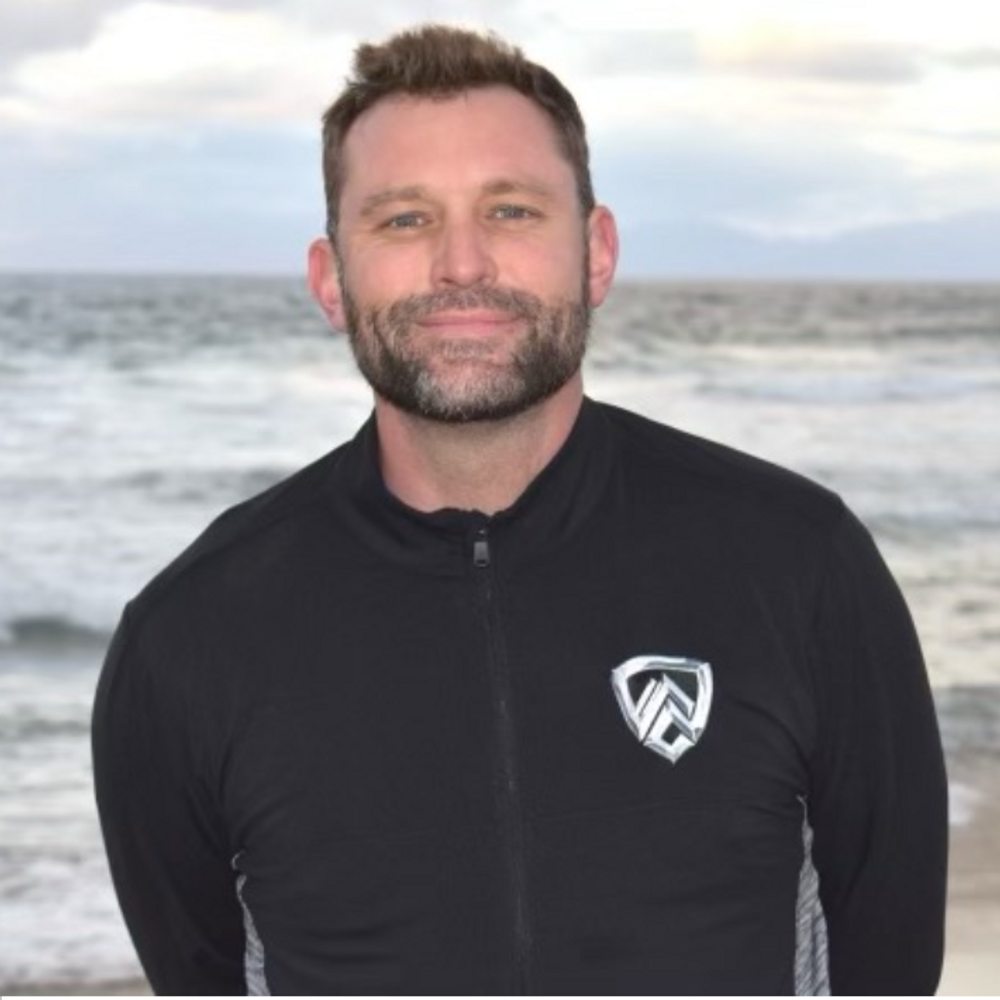
- May 10
- 4 min read
Does Your Child, Teen, or Young Adult Refuse to Open Up in TherapyJoin us for our new digital detox and wellness retreat for youth ages 10-12, teens, and young adults at The Ranch.
Discover the step-by-step strategies to restore connection and establish healthy digital boundaries in your home with our interactive Family Playbook.
Want to monitor and limit your teen's screen time? Follow our free set-up guide for the Qustodio App.
PuraVida Therapy: Gratitude & Wellness Retreats for Teens & Young Adults. Surf 🏄 + Skate 🛹 + Snow 🏂
Get access to our exclusive e-course for children, teens, and young adults struggling with screen addiction: The 3 to 7 Day Digital Detox Challenge E-Course.
Contact a behavioral consultant team that is proven to get results for you and your family, no matter which city and state you live in, with Higher Grounds Mgmt.
Written by Tynan Mason of Higher Grounds Management
The Expensive Hour of Silence
It is a scenario played out in waiting rooms across the country. A parent drives their struggling teen to a therapist's office. They pay a significant amount of money. The teen goes into the room for 50 minutes. They come out.
"How was it?" the parent asks.
"Fine," the teen mumbles.
"What did you talk about?"
"I don't know."
Later, the therapist tells you, "We’re having trouble breaking through."
This isn't just frustrating; it’s heartbreaking. You know your child needs help, but the traditional tool for helping them, talk therapy, seems to be hitting a brick wall. The reality is that for many teenagers, especially boys, the standard model of therapy is fundamentally misaligned with how they process the world.
The Problem with "Face-to-Face"
Traditional therapy relies on face-to-face interaction. You sit in a chair. The therapist sits across from you. They make eye contact and ask direct questions about your feelings.
For an adult who wants to be there, this is fine. For a resistant, anxious, or shut-down teenager, this feels like an interrogation.
The direct gaze triggers a defense mechanism. It feels confrontational. The teen feels put on the spot, judged, and unsafe. Their brain shuts down the emotional centers and activates the defensive centers. They clam up, not because they are being difficult, but because they are protecting themselves.
The Power of "Shoulder-to-Shoulder"
At Higher Grounds Management, we pivot from "Face-to-Face" to "Shoulder-to-Shoulder."
Human beings, particularly males, have evolved to bond while doing a task together. Hunting, building, walking. When you are looking at a shared problem or a landscape rather than at each other, the pressure evaporates.
This is why our mentors and coaches get such rapid breakthroughs. We don't sit in a room. We hike. We work out. We feed horses. We engage as a unit.
When a teen is walking up a trail, their blood is flowing. The bilateral stimulation of walking calms the brain. They are looking at the trees, not the counselor. Suddenly, the defenses drop. They start talking. They share things on a hike that they would never share on a couch.
Action Precedes Insight
Talk therapy assumes that if you understand your feelings, you will change your behavior. "Insight leads to action."
We believe the inverse is often true for teens: "Action leads to insight."
You can analyze a teen's lack of confidence for years. Or, you can take them to The Ranch and have them master a difficult physical task. When they succeed, they feel confident. Then, we can talk about that feeling.
We use experiential therapy to generate the data for the conversation. We create a "reference experience" of success, connection, or calm, and then we help them unpack it. This is infinitely more powerful than discussing abstract concepts in a sterile office.
Treating the Lifestyle, Not Just the Mind
Another reason talk therapy stalls is that it often ignores the biological reality. A therapist might be trying to treat depression with words, while the teen is going to bed at 3 AM, eating processed sugar, and staring at a screen for 10 hours.
You cannot talk your way out of a biological crash.
Our approach is holistic, by definition. We address the sleep, the diet, the screen addiction, and the daily habits first. Often, when we fix the lifestyle, the "resistance" in therapy disappears because the teen finally has the energy and mental clarity to engage.
Stop Waiting for the Breakthrough
If you have been sending your teen to therapy for months with zero results, it might be time to stop blaming the teen and start blaming the method.
Insanity is doing the same thing and expecting a different result. If talking isn't working, stop talking and start moving.
Higher Grounds Management offers an action-oriented alternative. We get teens out of the chair and into their lives. We build the relationship through shared experience, proving that therapy doesn't have to be a painful hour of silence—it can be an adventure.
Higher Grounds Management works with families nationwide and welcomes out-of-state parents who are ready for a different approach.
Breakthroughs happen when environment, accountability, and support align.
If you’re in Manhattan Beach, Hermosa Beach, Redondo Beach, El Segundo, Torrance, Rolling Hills, Rancho Palos Verdes, Newport Beach, Corona Del Mar, or anywhere in Orange County, Higher Grounds Management is here to help. We also offer virtual support and therapy to families nationwide.
Join us for our new digital detox and wellness retreat for youth ages 10-12, teens, and young adults at The Ranch.
Want to monitor and limit your teen's screen time? Follow our free set-up guide for the Qustodio App.
PuraVida Therapy: Gratitude & Wellness Retreats for Teens & Young Adults. Surf 🏄 + Skate 🛹 + Snow 🏂
Get access to our exclusive e-course for children, teens, and young adults struggling with screen addiction: The 3 to 7 Day Digital Detox Challenge E-Course.
We’re here to help, in your home or virtually. Contact us today to get started.
Written by Tynan Mason of Higher Grounds Management.


Comments