


Is Teen Intervention Los Angeles Right for My Defiant Teen Today?
A practical guide to deciding whether your family needs mentoring, parent coaching, behavioral intervention, clinical treatment, or a higher level of care in Los Angeles.
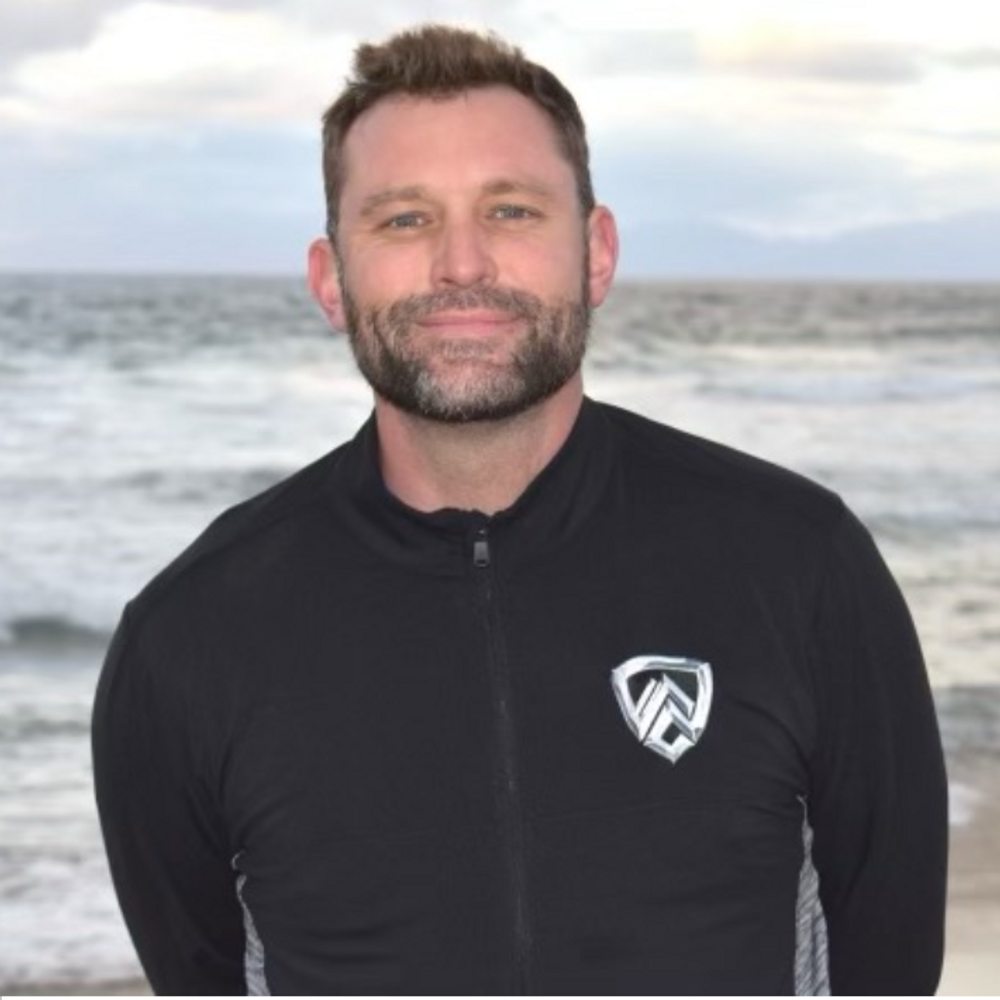
Written by Tynan Mason of Higher Grounds Management
When Defiance Begins Running the Home
Your teenager argues with ordinary requests, ignores consequences, refuses schoolwork, stays online through the night, or turns every boundary into a contest.
You have explained, warned, negotiated, grounded, forgiven, and started over. Nothing seems to hold.
Eventually, parents search for teen intervention in Los Angeles because they no longer trust the family’s current approach.
That search does not mean you have failed.
It means the existing pattern is no longer producing growth.
Higher Grounds’ Back On Track Digital E-Course gives teens, young adults, and parents structured lessons for screens, routines, responsibility, and accountability between professional appointments.
Defiance Is a Description, Not a Diagnosis
All teenagers resist authority occasionally. Fatigue, stress, peer conflict, ADHD, anxiety, depression, learning problems, substance use, or family tension can all appear as refusal.
Oppositional defiant disorder is more specific. The American Academy of Child and
Adolescent Psychiatry describes ODD as an ongoing pattern of defiant, uncooperative, and hostile behavior toward authority figures that seriously interferes with daily functioning. A qualified clinician, not a frustrated parent, coach, or online article, must determine whether that diagnosis applies.
The first question should not be:
“How do I make my teenager obey?”
It should be:
“What is driving this pattern, what keeps rewarding it, and what level of intervention matches the risk?”
Higher Grounds Field Observation: Families Often Intervene Too Late or Too Large
Some families wait until school failure, substance use, aggression, or running away forces an emergency decision.
Others experience one terrible weekend and immediately begin searching for residential placement.
Both reactions can miss the middle ground.
Consider a composite family pattern.
A fifteen-year-old refuses homework. His mother asks repeatedly. He becomes louder. His father announces a punishment he cannot realistically maintain. The parents disagree in front of their son. The original assignment disappears beneath the conflict.
The teenager has learned:
Delay creates negotiation.
Escalation divides the adults.
The original responsibility may disappear.
The answer may not be removing him from the home.
It may be changing the behavioral system operating inside it.
“My son Ryan has been working with Coach Ty for almost a year. Within that time, Coach Ty got to assess and work through many issues that we were not able to resolve with Ryan. Ryan is our middle son, he is faced with a variety of challenges at home which includes a brother with autism. For reasons I still don’t understand, Ryan had behaviors that needed to be resolved ASAP — e.g. stealing, lying, being sneaky. With Ty’s balanced method of tough love and flexibility, Ryan was able to break away from some of these behaviors.
Coach Ty is unique in many ways. He met Ryan where he was at physically, emotionally, and mentally. He tailored a unique program of exercise, goal setting, and accountability balanced with unwavering support and reinforcements. Ryan, whose teenage moods, interests, and commitments wavered from week to week, truly needed a ton of flexible support. Whether your teen is a straight-A student in need of a new challenge, or completely out of control, I highly recommend this program. Thank you, Coach Ty!”
— Grace, Palos Verdes
What Should Teen Intervention Actually Mean?
A responsible intervention is not simply a dramatic family meeting or admission into a program.
It is a coordinated change in the conditions surrounding the behavior.
Depending on the situation, that may include:
Clinical assessment
Parent coaching
Behavioral planning
Youth mentoring
School coordination
Substance-use treatment
Executive-functioning support
Digital boundaries
In-home services
Intensive outpatient or residential care
Los Angeles County’s Department of Mental Health provides assessments, case management, crisis intervention, medication support, rehabilitative services, and programs delivered in clinics, schools, hospitals, residential settings, and homes. The appropriate starting point depends on safety, severity, functioning, and clinical need, not which program uses the strongest marketing language.
The Higher Grounds Intervention Fit Test
1. Is Anyone in Immediate Danger?
Suicidal behavior, self-harm, serious violence, psychosis, dangerous intoxication, or an
inability to remain safe requires crisis or emergency support, not a routine coaching appointment.
The Los Angeles County 24/7 Mental Health and Substance Use Help Line is 800-854-7771. Families may also call or text 988 for crisis support.
2. Where Is Functioning Breaking Down?
Look beyond attitude.
Is your teenager attending school, sleeping, maintaining hygiene, avoiding substances, participating in safe relationships, and completing basic responsibilities?
A single conflict may require a stronger boundary.
Several areas collapsing simultaneously may require a more comprehensive intervention.
3. What Happens Before and After the Defiance?
Track the sequence:
Request → Teen response → Parent response → Immediate result → Recovery
Did yelling delay homework?
Did dishonesty preserve phone access?
Did aggression cause the parent to withdraw the expectation?
Behavior that repeatedly changes the outcome has a reason to return—even when the teenager did not consciously plan it.
4. Can the Parents Maintain the Plan?
A reasonable boundary that disappears under pressure is not a functioning boundary.
The plan should clarify:
Who gives the direction
How many reminders occur
Which privilege is connected to completion
What happens after refusal
How the adults remain aligned
Consistency is more instructive than severity.
5. Does the Teen Need Treatment, Coaching, or Both?
Clinical symptoms require qualified clinical care.
Coaching and mentoring may support routines, accountability, executive functioning, school participation, communication, and real-world follow-through.
The services have different purposes. A responsible intervention coordinates them instead of pretending one approach solves everything.
Why Evidence-Based Parent Involvement Matters
Parents are not spectators in adolescent behavior change.
A meta-analysis supports parent-management training for young people with clinical levels of disruptive behavior. Another large meta-analysis found that positive reinforcement, praise, and natural or logical consequences were among the parenting-program components associated with stronger reductions in disruptive behavior.
This does not mean parents caused every problem.
It means the adults still possess leverage.
Why BCBA-Informed Tracking Matters
Tynan Mason works closely with Jose Juan “JJ” Bustamante, BCBA, connecting Higher Grounds’ practical family intervention with observable behavioral patterns and data-informed decisions.
BCBAs are trained to define behavior, select measurement procedures, assess behavioral function, analyze data, design interventions, and evaluate whether those interventions are working. These competencies are identified in the Behavior Analyst Certification Board’s current BCBA content outline.
Instead of saying:
“He was impossible all week,”
track:
Number of conflicts
Common triggers
Length of escalation
Prompts required
Responsibilities completed
Time needed to recover
Whether repair occurred
Data does not remove compassion.
It prevents panic from becoming the treatment plan.
When Los Angeles Families Need Help Inside the Home
Higher Grounds Management provides in-home support throughout Southern California and virtual services nationwide. Its model combines parent guidance, behavioral intervention, mentoring, executive-functioning support, digital planning, and accountability where the patterns are occurring.
Contact Higher Grounds Management when your family understands what should change but cannot make that change hold.
Screens May Be Fueling the Conflict
Late-night gaming, social media, secret accounts, and constant notifications can become part of a larger pattern involving sleep loss, avoidance, dishonesty, and family conflict.
Do not improvise the entire technology plan while everyone is angry.
Decide when access ends, where devices charge, how usage is supervised, and what happens after misuse.
Use Higher Grounds’ free setup guide for the Qustodio App.
When an Immersive Reset May Be Appropriate
Some clinically stable young people benefit from temporary distance from an environment where avoidance and digital dependence have become automatic.
Higher Grounds’ The Ranch emphasizes physical work, nature, animal care, reduced digital distraction, and shared responsibility.
The Ranch is not emergency hospitalization, medical detoxification, or residential psychiatric treatment. The setting must match the young person’s safety and clinical needs.
What Parents Should Stop Doing
Stop Calling Every Disagreement Defiance
A teenager can disagree respectfully. Independent thought is not the enemy; destructive and chronically impairing behavior is the concern.
Stop Repeating Directions Until You Explode
When only the tenth request matters, the first nine train delays.
Stop Choosing Programs From Fear
Ask what problem the service treats, who provides it, how progress is measured, and when referrals are made.
Stop Announcing Consequences You Cannot Maintain
A smaller predictable response teaches more than an extreme punishment that disappears tomorrow.
Frequently Asked Questions
Does My Teen Need Intervention or Stronger Rules?
Start with clear, safe, enforceable expectations when appropriate. Persistent impairment, dangerous behavior, substance use, or major mental-health symptoms require professional assessment.
Can Parent Coaching Help if My Teen Refuses?
Yes. Parents can change routines, supervision, privileges, reinforcement, and their response to escalation before the teenager fully participates.
Does Defiance Automatically Mean ODD?
No. ODD requires professional assessment of a persistent pattern and its impact on functioning.
How Will I Know Whether Intervention Is Working?
Look for fewer conflicts, shorter recovery, improved school participation, greater honesty, safer decisions, fewer reminders, and increasing responsibility.
How Higher Grounds Management Approaches Teen Intervention
Higher Grounds combines Tynan Mason’s real-world intervention experience with JJ Bustamante’s BCBA-informed perspective, whole-family accountability, measurable goals, mentoring, and practical implementation. Jose Juan (JJ) Bustamante, BCBA — Certification #1-11-9050 https://www.linkedin.com/in/jose-juan-jj-bustamante-8b726225
Higher Grounds describes its work as proactive intervention for young people age nine and older, with in-home Southern California services and virtual support nationwide.
The objective is not controlling a teenager indefinitely.
It is restoring enough structure for judgment, trust, and independence to grow again.
Higher Grounds Resources
Jose Juan (JJ) Bustamante, BCBA — Certification #1-11-90500 LinkedIn Profile
References
American Academy of Child and Adolescent Psychiatry. Oppositional Defiant Disorder.
Behavior Analyst Certification Board. (2022). BCBA Test Content Outline (6th ed.; updated September 2024).
Helander, M., Asperholm, M., Wetterborg, D., et al. (2024). The efficacy of Parent Management Training with or without involving the child among children with clinical levels of disruptive behavior: A meta-analysis. Child Psychiatry & Human Development, 55, 164–181.
Leijten, P., Gardner, F., Melendez-Torres, G. J., et al. (2019). Meta-analyses: Key parenting program components for disruptive child behavior. Journal of the American Academy of Child & Adolescent Psychiatry, 58(2), 180–190.
Los Angeles County Department of Mental Health. Children’s System of Care and Behavioral Health Services.
Ready to Choose the Right Level of Help?
Your teenager may need stronger limits.
They may need a skilled outside adult.
They may need clinical treatment.
They may need all three coordinated properly.
Do not choose from fear, shame, or exhaustion.
Define the danger. Map the behavioral pattern. Match the intervention to the actual problem. Then measure whether life is becoming safer, steadier, and more responsible.
Explore the Back On Track Digital E-Course or contact Higher Grounds Management.
The right intervention does not merely interrupt defiance. It helps a family build a structure strong enough that defiance no longer governs the home.



Comments