


How Can I Help My Teen with ADHD & Overcome Oppositional Defiance Disorder (ODD)
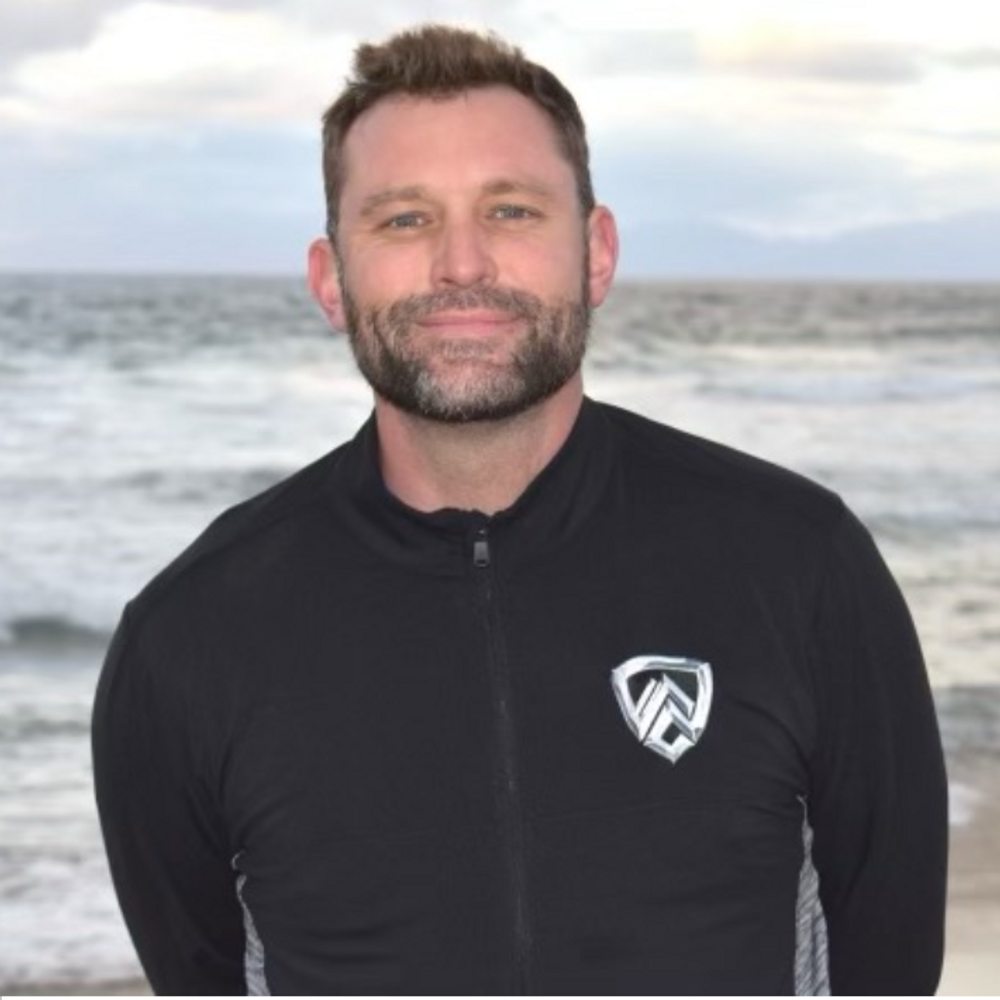
Written by Tynan Mason of Higher Grounds Management
Why Do ADHD and Oppositional Defiance Often Show Up Together?
Many parents search for answers when their teen seems constantly overwhelmed, distracted, argumentative, reactive, or resistant to anything they are asked to do. When ADHD and oppositional defiant behaviors occur together, the home can quickly turn into a cycle of stress, conflict, and power struggles. As a parent, you may feel confused, exhausted, and unsure how to help your teen succeed.
The truth is that ADHD not only affects attention and focus. It also affects emotion regulation, impulse control, motivation, frustration tolerance, transitions, and follow-through. When those internal challenges collide with expectations, pressure, or rules, oppositional defiance can develop as a coping mechanism.
At Higher Grounds Management, we help teens and young adults across Manhattan Beach, Hermosa Beach, Redondo Beach, Torrance, and Palos Verdes learn the tools they need to regulate, follow through, and build confidence. Our team specializes in turning ADHD into a real strength through structure, action, and accountability.
If you need support now, connect with our team here: Contact us today
What Is Oppositional Defiant Behavior and Why Does It Happen?
Oppositional behavior is not simply “attitude.” It is often rooted in a teen feeling overwhelmed, misunderstood, criticized, or incapable of meeting expectations. For teens with ADHD, frustration builds quickly, and avoidance becomes a go-to response.
Common signs include:
Arguing about simple requests
Refusal to start homework or responsibilities
Emotional outbursts during transition
Shutting down or ignoring parents
Blaming others for mistakes
Resistance to structure or rules
Difficulty accepting feedback
Sensitivity to perceived criticism
Feeling constantly overwhelmed
Retreating to screens or isolation
Oppositional behavior is not about wanting to be difficult. It is usually a sign that the teen does not yet have the emotional tools or executive functioning skills to meet what is being asked of them.
Once parents understand this, the path to improvement becomes much clearer.
How Can Parents Support a Teen Who Has ADHD and Oppositional Defiance?
1. Shift from Power Struggles to Collaboration
Most teens who appear oppositional are not intentionally trying to create conflict. They are emotionally overloaded, and arguing becomes their attempt to regain control. Instead of engaging in battles, shift to curiosity and partnership.
For example, instead of saying: “Why are you not doing your homework?” Try: “What part of the homework feels hard right now?”
Asking curious questions lowers defensiveness and opens the door to real communication.
2. Break Tasks Into Small Action Steps
The ADHD brain does not struggle with intelligence. It struggles with sequencing, prioritizing, and initiating tasks. What looks like defiance is often a teen who does not know where or how to start.
Help your teen begin with one small step. When the brain experiences a small success, motivation grows.
3. Normalize Emotions and Build Regulation Skills
Many oppositional behaviors are emotional responses rather than intentional choices. Teens with ADHD feel emotions intensely and often have difficulty calming down once they are overwhelmed.
We teach teens breathing techniques, body awareness, communication skills, and simple strategies for self-regulation. With practice, their reactions become more thoughtful and less explosive.
4. Use Accountability Systems Instead of Lectures
Accountability is a powerful tool when used consistently and compassionately. At Higher Grounds Management, we teach teens how to own their choices, follow through on commitments, and repair when necessary.
This approach builds responsibility without shame. Teens learn to see themselves as capable instead of constantly feeling like they are failing.
5. Give Short, Clear Instructions
Long explanations usually increase overwhelm. Adolescents with ADHD respond best to short, direct, compassionate communication. Clarity helps them process what is expected and reduces emotional reactivity.
6. Create Predictable Routines
When a teen knows what to expect, the nervous system stays calmer. Predictable routines reduce the emotional chaos that contributes to defiance.
7. Model Calm Behavior
Teens mirror the emotional tone around them. If the home becomes heated, they become heated. If the communication stays calm and grounded, their nervous system begins to match that energy with time and consistency.
How Does Higher Grounds Management Help Teens Turn ADHD Into a Strength?
Teens do not change through lectures. They change through action, practice, and real-life accountability. That is why our model is so effective. Weekly therapy alone cannot fully support a teen who is struggling with ADHD, executive functioning challenges, or oppositional defiance. They need hands-on guidance in their actual home environment.
Our approach includes:
In-home sessions to support real routines
Executive functioning coaching
Emotional regulation training
Step-by-step accountability plans
Helping teens repair trust and communication
Teaching responsibility without shame
Reducing power struggles at home
Building confidence through achievable wins
Creating an environment where success becomes the norm
We work directly with teens, but we also guide parents so the entire household experiences less stress and more connection.
Why Are Today’s Teens Struggling More Than Ever?
Teens are facing more distractions, pressure, stimulation, and emotional overload than any prior generation. The constant access to technology, social comparison, academic pressure, and rapid shifts in structure create an environment that overwhelms the ADHD brain.
This often results in:
Burnout
Avoidance
Emotional dysregulation
School refusal
Family conflict
Overwhelm and shutdown
Low motivation
A “new aged” challenge requires a “new aged” approach. That is why Higher Grounds focuses on action, structure, emotional intelligence, and consistency. These are the tools teens need to thrive in today’s world.
How Can You Start Helping Your Teen Today?
The first step is understanding that your teen is not broken, lazy, or defiant by choice. They are overwhelmed, undersupported, and lacking the structure and emotional tools that ADHD makes challenging. With the right guidance and accountability, your teen can improve quickly and significantly.
Higher Grounds Management specializes in helping teens and young adults turn ADHD into a superpower. We create progress that lasts because we teach skills in the real environment where daily habits happen.
If your teen is struggling, you do not have to navigate this alone. We can help.
If you are in Manhattan Beach, Hermosa Beach, Redondo Beach, El Segundo, Torrance, Rolling Hills, Rancho Palos Verdes, Newport Beach, Corona Del Mar, or anywhere in Orange County, Higher Grounds Management is here to help. We also offer virtual support and therapy to families nationwide.
We are here to help, in your home or virtually. Contact us today to get started.
Written by Tynan Mason of Higher Grounds Management


