


The Comfort Trap: Why Your Teen Needs to Struggle to Succeed
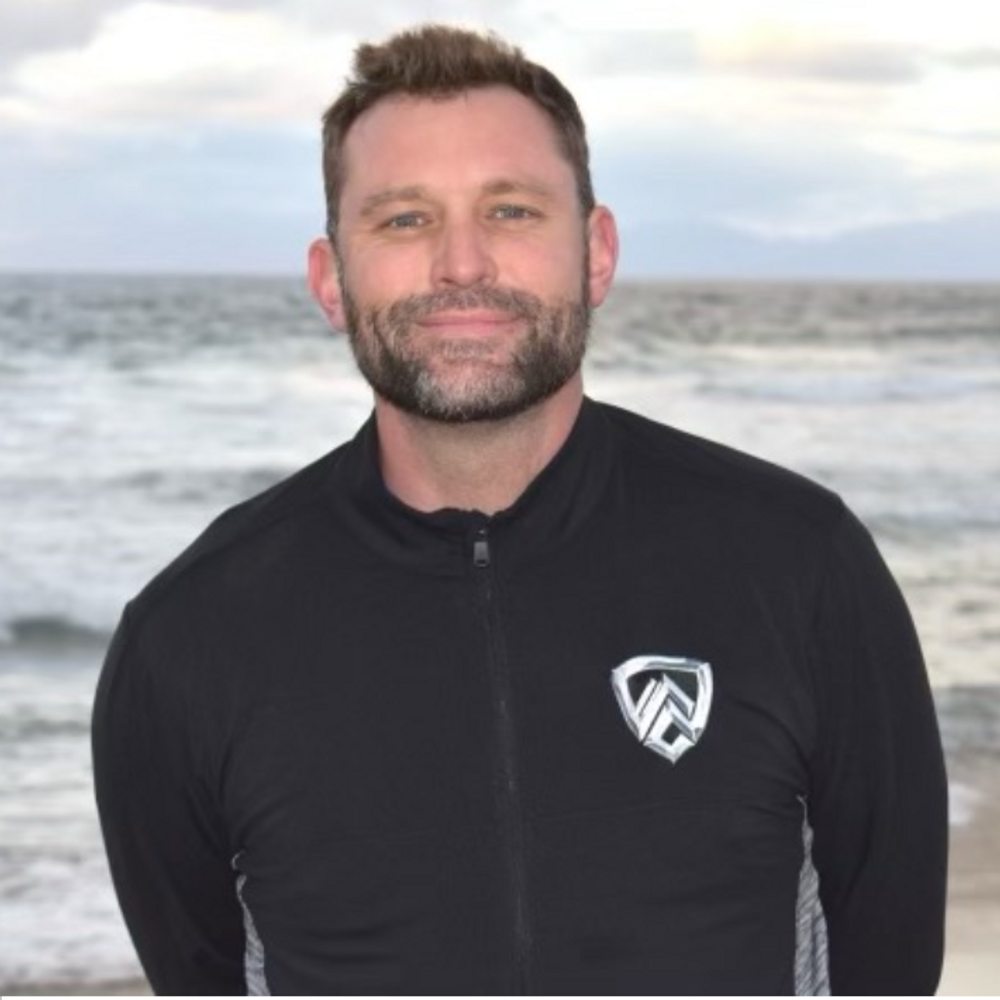
- Tynan Mason of Higher Grounds Management
- Mar 12
- 5 min read
Join us for our new digital detox and wellness retreat for youth ages 10-12, teens, and young adults at The Ranch.
Discover the step-by-step strategies to restore connection and establish healthy digital boundaries in your home with our interactive Family Playbook.
Want to monitor and limit your teen's screen time? Follow our free set-up guide for the Qustodio App.
Get access to our exclusive e-course for children, teens, and young adults struggling with screen addiction: The 21 Day Challenge.
Contact a behavioral consultant team that is proven to get results for you and your family, no matter which city and state you live in, with Higher Grounds Mgmt.
Written by Tynan Mason of Higher Grounds Management
The Paradox of the Modern Teen
We live in the most comfortable time in human history. With the tap of a finger, a teenager can summon food, entertainment, and information without leaving the couch. We have engineered the physical struggle out of daily existence. Yet, despite this abundance of comfort, we are seeing record levels of anxiety, depression, and fragility in our youth.
This is not a coincidence; it is a correlation. By removing the friction from our children's lives, we have inadvertently removed the very thing that helps them grow. We have created a generation that is terrified of discomfort because they have never practiced it.
The truth is that comfort is the enemy of growth. Muscles do not grow without the stress of weight; character does not grow without the stress of struggle. If we want to raise successful, independent adults, we must stop saving them from the hard things and start encouraging them to face them.
How Comfort Stunts Growth
Imagine a butterfly struggling to break free from its chrysalis. The struggle forces fluid into its wings, strengthening them for flight. If you "help" the butterfly by cutting the chrysalis open, it will emerge with weak, shriveled wings and will never fly. It will die because it was denied the struggle.
Many parents today are "cutting the chrysalis." We solve their problems, we mediate their conflicts, and we provide endless digital distractions to numb their boredom. We create a frictionless environment.
While this is done out of love, the result is emotional atrophy. When a teen is never forced to overcome an obstacle, they never develop the neural pathways for problem-solving. They internalize a dangerous belief: "I am not capable of handling pain." This leads to a lack of resilience. When they inevitably face a real-world challenge, a difficult boss, a breakup, a financial error, they collapse because they lack the structural integrity to hold the weight.
Confidence is Born from Competence
We often try to give our children confidence through verbal affirmation. We tell them, "You are smart," or "You are special." But empty praise does not build confidence; surviving struggle does.
True confidence is the result of proven competence. It is the quiet knowledge that comes from looking at a difficult situation and thinking, "I have beaten things harder than this before."
You cannot talk a teen into believing they can do hard things. They have to actually do the hard things. When a teen struggles with a difficult math concept and finally masters it without a tutor giving them the answer, they gain confidence. When they navigate a social conflict without a parent intervening, they gain confidence. The struggle provides the evidence they need to believe in themselves.
Grit: The Predictor of Adult Success
Psychologist Angela Duckworth defines "grit" as passion and perseverance for long-term goals. Her research suggests that grit is a better predictor of success than IQ or talent.
Grit cannot be learned in a lecture. It is learned in the trenches of adversity. It is the ability to get knocked down and stand back up. If a child’s life is too comfortable, they never get knocked down. They never learn how to dust themselves off.
By shielding our teens from failure, we are denying them the opportunity to develop grit. We are sending them into adulthood without the primary tool they need to succeed. We are setting them up for a "failure to launch," where they retreat to the safety of the childhood bedroom because the world feels too sharp and demanding.
The Parallel Process: Managing Your Own Discomfort
The hardest part of allowing a child to struggle is the parent’s own anxiety. It is physically painful to watch your child fail. It hurts to see them sad, frustrated, or uncomfortable.
This is where the "Parallel Process" challenges you. You must build your own tolerance for distress. You must learn to sit on your hands when everything in you wants to fix it.
Ask yourself: "Am I intervening for their benefit, or to relieve my own anxiety?" If you rescue them, you feel better in the moment, but you weaken them in the long run. Parenting from a place of strength means loving them enough to let them struggle. It means being the coach on the sideline, not the player on the field.
Structured Struggle: The Ranch and The Challenge
Since modern life removes natural struggles, sometimes we have to manufacture them. This is the philosophy behind our interventions at Higher Grounds Management.
The 21 Day Challenge is a form of structured struggle. We take away the digital pacifier. This induces boredom, frustration, and social anxiety. This is intentional. By forcing the teen to sit with these uncomfortable feelings and complete daily tasks, we are exercising their resilience muscles.
The Ranch takes this a step further. In Creston, California, the comfort of the city is gone. The environment is demanding. Nature is indifferent to your complaints. If you are cold, you must put on a jacket. If the horse is stubborn, you must find a way to lead it.
At The Ranch, teens cannot click "skip." They have to work through the difficulty. This physical and emotional exertion breaks the shell of entitlement. It proves to them that they are stronger than they thought. When they return home, the "struggles" of homework or chores seem manageable by comparison.
The Gift of the Hard Path
We want our children to be happy, but happiness is a byproduct of a life well-lived, not a goal in itself. A life void of struggle is a life void of meaning.
By allowing your teen to face the unknown, to fail, to hurt, and to recover, you are giving them the greatest gift possible: the knowledge that they are unbreakable. You are giving them the keys to a successful, independent adulthood.
Do not choose the easy path for them. Choose the path that leads to the summit, even if it is steep.
Higher Grounds Management works with families nationwide and welcomes out-of-state parents who are ready for a different approach.
Breakthroughs happen when environment, accountability, and support align.
If you’re in Manhattan Beach, Hermosa Beach, Redondo Beach, El Segundo, Torrance, Rolling Hills, Rancho Palos Verdes, Newport Beach, Corona Del Mar, or anywhere in Orange County, Higher Grounds Management is here to help. We also offer virtual support and therapy to families nationwide.
Join us for our new digital detox and wellness retreat for youth ages 10-12, teens, and young adults at The Ranch.
Want to monitor and limit your teen's screen time? Follow our free set-up guide for the Qustodio App.
Get access to our exclusive e-course for children, teens, and young adults struggling with screen addiction: The 21 Day Challenge.
We’re here to help, in your home or virtually. Contact us today to get started.
Written by Tynan Mason of Higher Grounds Management.



Comments