


How Can I Break Generational Curses So I Do Not Pass My Unfinished Work on to My Kids?
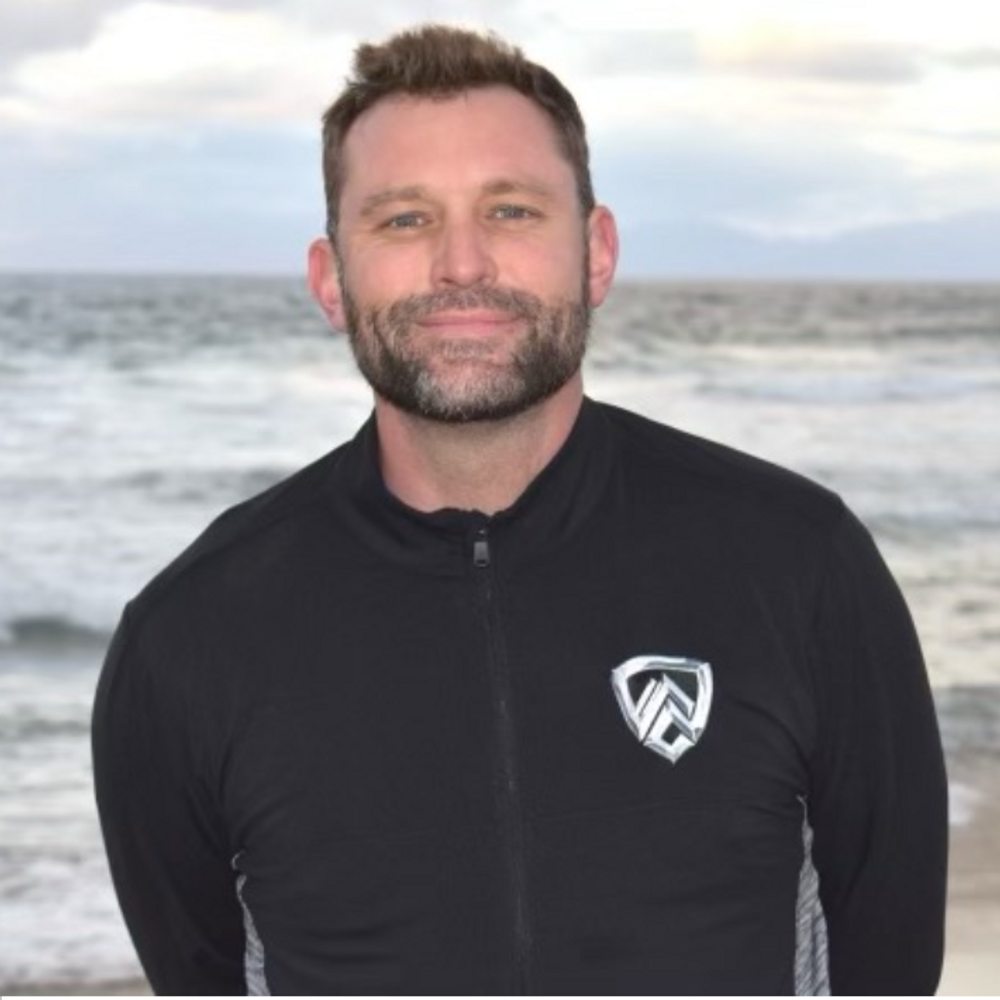
Written by Tynan Mason of Higher Grounds Management
Contact a behavioral consultant team that is proven to get results for you and your family, no matter what state you live in, with Higher Grounds Mgmt.
What Does It Actually Mean to Break a Generational Curse?
Breaking generational curses does not mean blaming your parents, reliving the past endlessly, or labeling your family as broken. It means recognizing patterns that no longer serve you and choosing to respond differently so your children do not inherit pain that was never yours to carry.
Generational patterns show up in many forms. Emotional avoidance. Conflict avoidance. Anger and reactivity. Lack of boundaries. Over control. Addiction. Workaholism. Codependency. Silence around feelings. Fear of vulnerability. These patterns are often passed down unintentionally, not because parents do not love their children, but because they never learned another way.
At Higher Grounds Management, we work with families across Manhattan Beach, Hermosa Beach, Redondo Beach, Torrance, Palos Verdes, and surrounding areas who want to parent differently. Parents who want to stop the cycle and raise emotionally healthy, grounded, resilient kids.
If you are reading this and thinking, “I do not want my kids to carry what I carried,” you are already doing the work.
Contact us today to learn how our in-home and virtual family support helps parents and teens heal together.
How Do Generational Patterns Get Passed Down Without Us Realizing It?
Most generational patterns are not taught through words. They are taught through behavior, tone, reactions, and emotional presence.
Children learn by observing how adults handle stress, conflict, disappointment, fear, and connection. If emotions were ignored in your home growing up, you may struggle to sit with your child’s big feelings now. If boundaries were inconsistent or nonexistent, you may either overcontrol or underparent. If love were conditional on performance, you may unknowingly pressure your child to earn approval.
Some common generational patterns include:
Avoiding conflict instead of addressing it
Exploding emotionally because feelings were suppressed
Struggling with boundaries
People pleasing
Emotional shutdown during stress
Using control instead of communication
Criticism disguised as motivation
Shame-based discipline
Difficulty apologizing or repairing
Lack of emotional vocabulary
These patterns persist because they feel familiar, not because they are healthy.
Why Unfinished Emotional Work Often Shows Up in Parenting
Parenting activates our own nervous system and unresolved experiences. When a child expresses big emotions, disobedience, fear, or vulnerability, it can trigger feelings that parents never had permission to express themselves.
For example:
A child’s anger may activate a parent who was never allowed to be angry
A child’s fear may trigger a parent who had to be “strong” too early
A child’s emotional needs may overwhelm a parent who learned to be independent at a young age
When these moments are not understood, parents may react automatically rather than intentionally. That is how unfinished emotional work gets passed on.
The goal is not to be perfect. The goal is to become aware.
How Can I Tell What I Might Be Passing On to My Kids?
Self-awareness is the first step in breaking cycles. Consider asking yourself:
What behaviors upset me the most in my child?
What emotional reactions feel disproportionate to the situation?
What did I learn about emotions growing up?
How were boundaries handled in my family?
Was I allowed to fail or express discomfort?
What was modeled during conflict?
Do I react or respond when stressed?
Do I expect my child to regulate emotions I struggle to regulate myself?
Your answers are not a reason for shame. They are information.
What Are Practical Ways to Break Generational Cycles?
1. Learn to Pause Before Reacting
Breaking cycles starts in the moment. Pausing before responding allows you to choose a new behavior instead of repeating an old one.
Slowing down your nervous system helps your child regulate theirs.
2. Develop Emotional Language
If emotions were not discussed in your childhood, learning emotional vocabulary now can feel uncomfortable. But naming emotions teaches children how to process instead of suppress.
Simple phrases matter: “I see you are frustrated.” “It makes sense you feel this way.”
These statements do not mean you agree. They mean you understand.
3. Repair Instead of Pretend Nothing Happened
Many families avoid apologies. Healthy families repair. Saying, “I should not have spoken that way. I am working on this,” teaches accountability and humility.
Repair builds safety.
4. Set Boundaries Without Guilt
Boundaries are not rejection. They are clear. Learning to say no calmly and consistently models self-respect and emotional health.
5. Allow Your Child to Feel What You Were Not Allowed to Feel
Let your child feel sad, angry, scared, and frustrated. Emotions do not damage children. Suppressing them does.
6. Do Your Own Growth Work
Parents who invest in their own emotional awareness create safer homes. This may involve therapy, coaching, reflection, or support programs.
7. Accept That Growth Feels Uncomfortable
Breaking generational patterns often feels foreign at first. That discomfort is not failure. It is evidence of change.
How Does This Impact Teens and Young Adults Specifically?
Teens are especially sensitive to authenticity. They can sense when parents avoid, suppress, or deflect emotions.
When parents model emotional regulation, boundaries, and accountability, teens learn:
How to communicate feelings
How to regulate stress
How to tolerate discomfort
How to repair relationships
How to set boundaries
How to develop self-trust
These are life skills that protect mental health and relationships far into adulthood.
How Does Higher Grounds Management Help Families Break Generational Cycles?
Our in-home model allows us to observe patterns in real time and gently interrupt them. We work with both parents and teens to support emotional growth without blame or shame.
Our work includes:
Emotional intelligence coaching
Parent guidance and support
Teen and young adult coaching
Boundary setting strategies
Conflict reduction tools
Real-time accountability
Repair and communication skills
Nervous system regulation
Creating safe and predictable routines
We do not believe families are broken. We believe families need tools.
What Should I Remember as I Start This Process?
Breaking generational patterns is not about being flawless. It is about being conscious.
You will make mistakes. You will revert to old habits at times. What matters is your willingness to notice, pause, repair, and try again.
Your children do not need perfect parents. They need parents who are willing to grow.
If you are in Manhattan Beach, Hermosa Beach, Redondo Beach, El Segundo, Torrance, Rolling Hills, Rancho Palos Verdes, Newport Beach, Corona Del Mar or anywhere in Orange County, Higher Grounds Management is here to help. We also offer virtual support and therapy to families nationwide.
We are here to help, in your home or virtually. Contact us today to get started.
Written by Tynan Mason of Higher Grounds Management


