


Do Outpatient Teen Treatment Options Help Teens Who Refuse Care?
A practical guide to understanding why teenagers resist treatment, when outpatient support can still work, and how families can create movement without turning mental-health care into another battle for control.
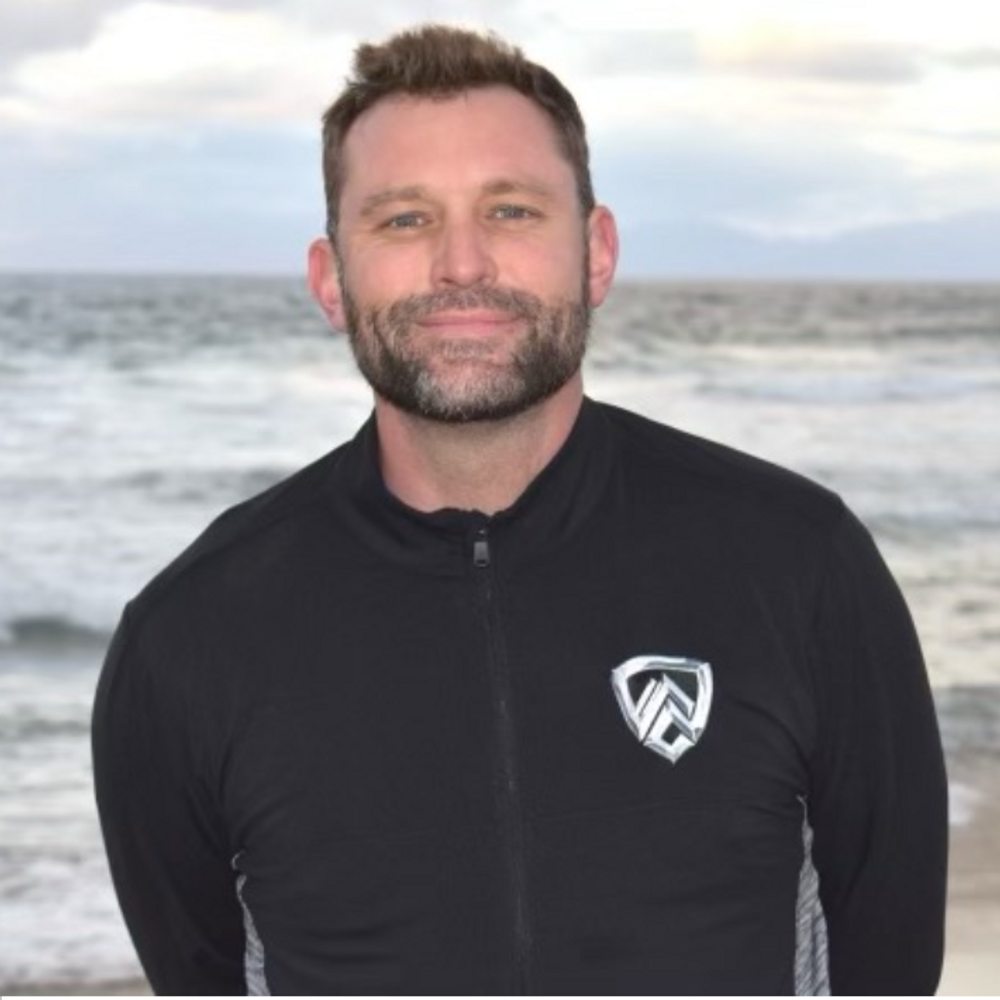
Written by Tynan Mason of Higher Grounds Management
Refusing Help Does Not Mean Your Teen Does Not Need It
Few things frustrate a parent more than watching a teenager struggle while hearing:
“I’m fine.”
The grades are collapsing.
Sleep is upside down.
Your teenager barely leaves the bedroom.
Arguments have become routine.
Anxiety, substance use, anger, isolation, or depression may be growing.
Yet the moment counseling is mentioned, the answer is immediate:
“I’m not talking to anyone.”
Parents can begin treating that refusal as the final verdict.
It is not.
Research on adolescent treatment engagement suggests that willingness is not simply a
personality trait a teenager either possesses or lacks. How treatment is introduced, whether
the young person experiences some autonomy, how parents participate, and whether the provider understands adolescent resistance can all affect engagement. In a randomized trial of 96 adolescents with anxiety or mood disorders, a brief motivational-interviewing intervention before group CBT increased treatment initiation, readiness, and session attendance compared with an active control. PubMed
Higher Grounds’ Back On Track Digital E-Course gives teens, young adults, and parents structured tools for routines, accountability, behavioral patterns, and follow-through while families determine what professional support is appropriate.
A Teen Can Refuse the Treatment Without Refusing Change
This distinction matters.
When a teenager says no to therapy, parents often hear:
“I have no intention of changing.”
But the teenager may actually be rejecting something more specific.
They may fear being labeled.
They may believe the therapist will automatically side with the parent.
They may resent being presented as “the problem.”
They may have disliked a previous clinician.
They may worry about confidentiality.
Or they may simply believe therapy represents another adult attempt to control them.
AACAP describes psychotherapy as a broad category containing different approaches—including CBT, family therapy, DBT, supportive therapy, interpersonal therapy, and others—designed for different clinical problems and developmental needs. AACAP
So “my teenager refuses therapy” is incomplete information.
What are they refusing—the clinician, the format, the diagnosis, the loss of control, or the idea that they alone must change?
That question can reopen a door everyone assumed was locked.
Higher Grounds Field Observation: The Fight About Help Can Replace the Problem That Needed Help
Consider a composite family.
A sixteen-year-old has stopped attending first period, stays online most of the night, and has become increasingly isolated.
His parents decide he needs counseling.
He refuses.
For the next month, nearly every conversation becomes about therapy.
“You need help.”
“I said no.”
“You’re ruining your future.”
“There’s nothing wrong with me.”
Now the family has acquired a new conflict.
The original problems: sleep, school, isolation, digital dependence, and deteriorating responsibility…remain almost untouched.
This is one of the dangers of making treatment attendance the only measure of progress.
A teenager can refuse the doorway while the family still begins changing the room.
Parents can change routines.
They can stop rescuing avoidable failures.
They can stabilize technology rules.
They can seek their own professional guidance.
They can gather better diagnostic information.
And they can learn to approach treatment without turning every conversation into coercion.
The Higher Grounds Engagement Threshold
1. Determine Whether You Have Time for Collaboration
Treatment resistance is one problem.
Immediate danger is another.
NIMH advises seeking immediate help when a young person is unsafe, suicidal, threatening serious harm, or experiencing other acute psychiatric danger. Persistent symptoms that interfere with school, home, or relationships also warrant professional evaluation. National Institute of Mental Health
If safety is deteriorating, the family should not wait indefinitely for enthusiastic agreement.
2. Find the Objection Beneath “No”
Instead of arguing, ask:
“What about seeing someone bothers you most?”
“What do you think would happen?”
“What would make the first appointment less awful?”
The purpose is not surrender.
It is intelligence.
You cannot solve an objection you have never understood.
3. Give Choice Where Choice Is Safe
Adolescence requires increasing autonomy.
Offer two or three qualified providers.
Allow input on telehealth versus in-person care when clinically appropriate.
Consider an introductory meeting rather than announcing an indefinite treatment commitment.
Choice can reduce resistance without giving the teenager authority to decide that a serious problem receives no attention at all.
4. Change the Definition of the First Win
The first success may not be emotional disclosure.
It may be showing up.
Then staying for the session.
Then answering one honest question.
Then returning voluntarily.
Engagement can develop incrementally.
The 2016 randomized study of motivational interviewing is important precisely because it demonstrated that treatment readiness itself can be influenced. PubMed
Parents Can Begin Even When the Teen Is Reluctant
This is one of the most important ideas for families to understand.
A 2024 meta-analysis examined 20 randomized trials involving 1,251 adolescents and found that interventions including parents produced a small but statistically significant advantage over comparable adolescent-only interventions, with a significant benefit particularly for externalizing problems. PubMed
That does not mean parents should dominate treatment.
It means the family is not powerless.
Parents influence transportation, routines, privileges, technology, sleep structure, communication, reinforcement, and what happens after problem behavior.
Your teenager may refuse to enter treatment today. The household does not have to remain exactly the same until they do.
When Ordinary Outpatient Therapy Is Not Enough
Sometimes resistance is not the primary issue.
The intensity of care is simply too low.
AACAP notes that Intensive Outpatient Programs and Partial Hospitalization Programs can serve young people who require substantially more support than weekly counseling but do not require 24-hour hospitalization. These programs can address significant mood symptoms, self-harm risk, school or family impairment, substance use, aggression, and other serious concerns while allowing appropriate youth to continue living at home. AACAP
This creates a useful distinction:
A teen refusing once-weekly therapy may need better engagement.
A teen deteriorating despite appropriate weekly treatment may need a different level of care.
Those are not the same problem.
Where Higher Grounds Management Fits
Higher Grounds Management works directly in the gap between recommendation and implementation.
Its current model includes behavioral coaching and mentorship, parent support, executive-functioning and ADHD coaching, academic assistance, digital intervention, in-home support in Southern California, virtual services nationwide, and private outpatient counseling and therapy through appropriate team professionals. HigherGrounds
Families can explore Higher Grounds Management when the challenge is not simply finding
another person to talk to the teenager, but changing the conditions surrounding the behavior.
Sometimes the question is:
“How do we get our teenager into therapy?”
Higher Grounds also asks:
“What can the family begin changing before the teenager becomes fully willing?”
Why JJ Bustamante and Behavioral Measurement Matter
Tynan Mason works closely with Jose Juan “JJ” Bustamante, BCBA — Certification #1-11-9050, reinforcing Higher Grounds’ emphasis on observable patterns and data-informed decisions.
BACB competency standards include operationally defining behavior, measuring frequency and duration, analyzing data, conducting behavioral assessment, and determining when referral to another professional is necessary. Behavior Analyst Certification Board
Instead of:
“He refuses everything.”
measure:
How many appointments were offered?
How many were attended?
Does he reject therapy but accept mentoring?
How long does escalation last when help is discussed?
Is school attendance worsening?
Is substance use increasing?
Is sleep deteriorating?
Are parents becoming more or less consistent?
Good measurement replaces emotional absolutes with information.
Higher Grounds Has Been Recognized for This Whole-Family Approach
A Wellness Voice profile describes Higher Grounds as combining in-home and virtual behavioral support, family coaching, mentorship, executive-functioning assistance, and observable behavioral data. The feature also identifies JJ Bustamante’s BCBA involvement and Higher Grounds’ emphasis on helping parents move from reactive decisions toward structured, data-informed responses. Wellness Voice
A 2025 Forbes feature similarly highlighted Tynan Mason and Higher Grounds’ emphasis on parent coaching, behavioral tracking, examining antecedents, positive reinforcement, and building systems within the home that families can increasingly maintain themselves. Forbes
That philosophy is especially relevant when treatment is being resisted.
The teenager is part of the system. They are not the entire system.
Screens Can Make Avoidance Almost Effortless
A teenager refusing care can still spend six hours online avoiding nearly everything that makes ordinary life demanding.
Technology may not be the diagnosis.
But it can make withdrawal extraordinarily comfortable.
Families can use Higher Grounds’ Qustodio App Setup Guide to establish clearer monitoring and screen boundaries.
The goal is not to confiscate a phone until a teenager agrees to therapy.
It is to stop allowing unlimited avoidance to compete with every attempt at re-engagement.
Sometimes Connection Happens More Easily Through Action
Some clinically stable teenagers resist sitting across from another adult and discussing themselves.
They may engage more naturally while moving, working, exercising, caring for animals, or completing tangible responsibilities.
Higher Grounds’ The Ranch uses physical work, nature, animal care, reduced digital distraction, and shared responsibility as part of its immersive program. HigherGrounds
It is not emergency psychiatric care or a substitute for clinically necessary treatment.
Its value lies in creating another legitimate doorway into participation.
Frequently Asked Questions
Can Outpatient Therapy Work if My Teen Does Not Want It?
Sometimes. Engagement strategies, therapeutic fit, parent involvement, and appropriate autonomy can influence participation. No ethical provider can guarantee cooperation.
Should I Force My Teen Into Counseling?
The answer depends on safety, age, jurisdiction, clinical severity, and the treatment involved. Immediate danger requires professional intervention even when the teenager objects.
Can I Start Parent Coaching Without My Teen?
Yes. Parents can begin changing routines, reinforcement, boundaries, communication, and accommodation patterns without waiting for full adolescent participation.
How Do I Know Weekly Outpatient Care Is Too Little?
Significant deterioration in safety or functioning, serious self-harm, substance use, aggression, or failure to improve despite appropriate treatment should prompt discussion of a higher level of care with qualified professionals. AACAP
What Should I Look for in a Teen Therapist?
Relevant adolescent experience, an evidence-based approach suited to the problem, clear confidentiality boundaries, a thoughtful plan for parent involvement, and an ability to work with reluctant young people.
Higher Grounds Resources
Jose Juan (JJ) Bustamante, BCBA — Certification #1-11-9050 — LinkedIn Profile
Forbes — The Invisible Responsibility: Leaders Supporting Mental Health
References
Dean, S., Britt, E., Bell, E., Stanley, J., & Collings, S. (2016). Motivational interviewing to enhance adolescent mental health treatment engagement: A randomized clinical trial. Psychological Medicine, 46(9), 1961–1969. PubMed
Pine, A. E., Baumann, M. G., Modugno, G., & Compas, B. E. (2024). Parental involvement in adolescent psychological interventions: A meta-analysis. Clinical Child and Family Psychology Review, 27(3), 1–20. PubMed
American Academy of Child and Adolescent Psychiatry. Psychotherapy for Children and Adolescents: Different Types; Partial Hospitalization Programs and Intensive Outpatient Programs. AACAP
National Institute of Mental Health. Child and Adolescent Mental Health. National Institute of Mental Health
Behavior Analyst Certification Board. (2022). BCBA Test Content Outline (6th ed.; updated September 2024). Behavior Analyst Certification Board
Bent, A. (2026, August 17). Higher Grounds Management: Bringing a data-informed approach to family behavioral support. Wellness Voice. Wellness Voice
MacArthur, H. V. (2025, December 18). The invisible responsibility: Leaders supporting mental health. Forbes. Forbes
Refusal Is Not the End of the Road
Parents often imagine treatment begins only when the teenager finally says:
“Fine. I’ll go.”
Sometimes treatment begins earlier.
It begins when the family stops arguing blindly.
When parents understand what the resistance means.
When the environment becomes more structured.
When professionals are chosen according to the actual problem.
And when the teenager discovers that asking for help does not mean surrendering all control over their own life.
A closed door is not always a dead end. Sometimes the work is learning which door the teenager is actually willing to open…and making certain that the family is ready when they do.


Comments