


Can Teen Behavioral Coaching Services Stop Defiance at Home Now?
A practical guide to understanding what fuels repeated defiance, when behavioral coaching may help, and how families can replace emotional warfare with measurable expectations and responsible independence.
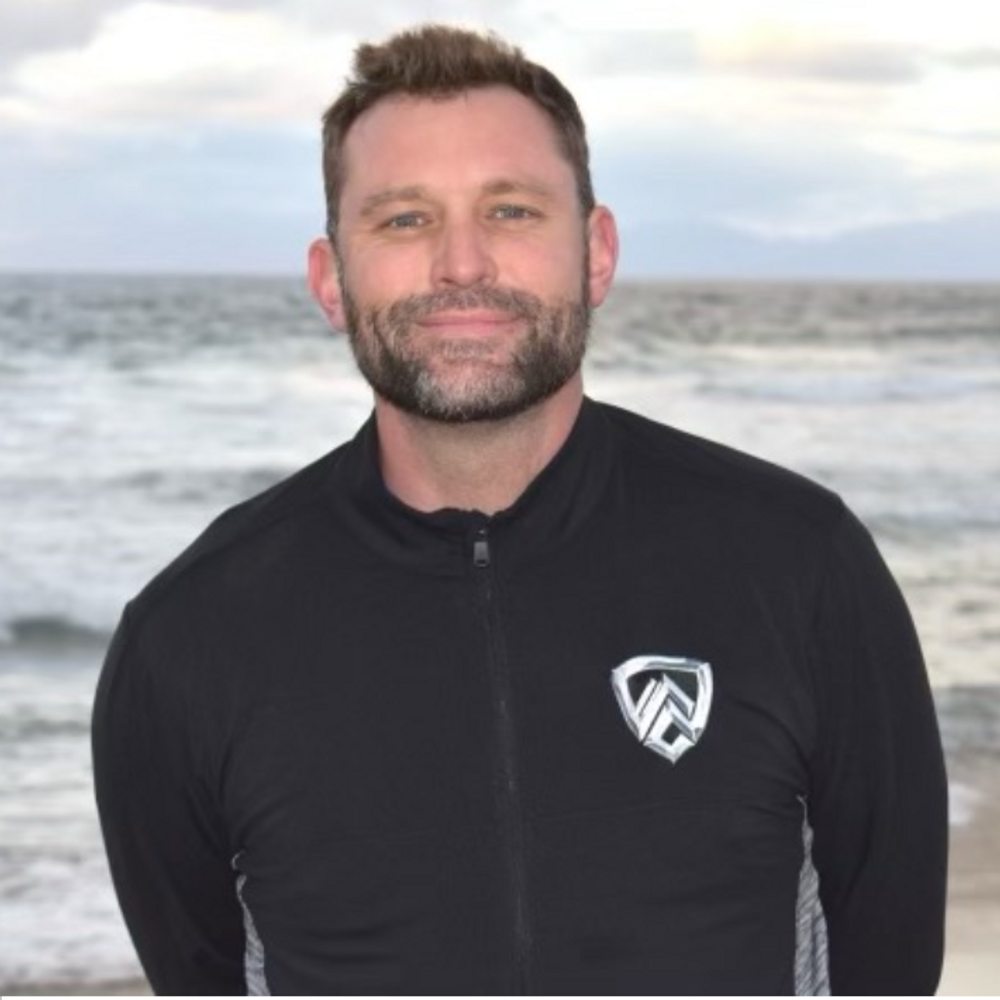
Written by Tynan Mason of Higher Grounds Management
When Defiance Becomes the Organizing Principle of the Home
Your teenager refuses an ordinary request.
You explain.
They argue.
You repeat yourself.
They become louder.
You threaten a consequence.
They attack your parenting, retreat to their room, or promise they will handle it tomorrow.
Eventually, the original responsibility disappears beneath the conflict.
The family is no longer discussing homework, curfew, or a household chore. Everyone is fighting over who has authority.
Parents then ask:
Can teen behavioral coaching services actually stop this?
Coaching can help reduce defiant behavior when it identifies the pattern accurately, involves the parents, teaches replacement skills, and measures whether daily behavior is changing. It cannot guarantee obedience or substitute for clinical care when psychiatric symptoms, trauma, substance use, or immediate safety concerns are involved.
Higher Grounds’ Back On Track Digital E-Course gives parents and young people structured lessons for addressing screens, routines, communication, and accountability between professional appointments.
Defiance Is Not Automatically a Disorder
Teenagers sometimes argue, question authority, or resist limits, particularly when tired, stressed, hungry, or emotionally overwhelmed.
Defiance becomes more concerning when it is frequent, persistent, unusually intense for the young person’s developmental level, and damaging school, relationships, or family functioning. Oppositional defiant disorder is a clinical diagnosis requiring comprehensive professional evaluation. ADHD, anxiety, depression, learning difficulties, and other concerns may coexist with or resemble oppositional behavior.
A coach should not diagnose your teenager because they argue.
The useful starting question is:
What repeatedly happens before the defiance, what happens afterward, and what has the behavior learned to accomplish?
“We tried rehab, therapy, punishments, and everything else you can think of for my son who was making bad decisions. Higher Grounds is the ONLY thing that ever worked. Ty and his team have given me hope. He is a “teen whisperer” and somehow gets through and makes an impact when you’re ready to just pull all your hair out. Parenting a troubled teen can be heartbreaking. If you’re in that situation, call Ty and his team. Trust me on this. You’ll find yourself personally benefiting from his advice and mentoring as much as your teen does. He’s extraordinary.
And best of all are the results. It's a journey, and we're still walking the path, but now I've got my son back. He smiles. He jokes around and engages in the conversation. Heck, sometimes he even does the dishes without being asked :-) There are no miracle cures, but Ty and his team are SO much better than "the system."
I really can't say enough about Higher Grounds. Feel free to contact me if you want to talk about it. It's a difficult topic, and I'd be happy to pay it forward.”
— Steve, El Segundo
Higher Grounds Field Observation: Refusal Often Works
Consider a teenager who is told to complete missing assignments before gaming.
He complains.
His parents lectures.
He becomes hostile.
The parent worries the conflict will become worse and says:
“Fine. We will deal with this tomorrow.”
The teenager did not necessarily plan the entire confrontation. But the confrontation still produced a result:
The assignment was delayed.
Gaming remained available.
The parent carried the stress.
When this sequence repeats, defiance becomes functional.
That does not make the teenager evil or calculating. It means the home has developed a pattern in which resistance produces advantages that cooperation does not.
A home cannot be governed by the emotional temperature of its most upset member.
Behavioral Coaching Should Change More Than the Conversation
A productive coaching session may create insight.
But the true test occurs afterward.
Did the teenager attend school?
Did they surrender the phone at the agreed time?
Did they complete the responsibility?
Did the parent follow through without delivering a ninety-minute lecture?
Did the teenager repair dishonesty?
Coaching has limited value when a teen speaks thoughtfully for one hour and then returns
to an unchanged environment.
The goal is not impressive conversation.
The goal is behavioral transfer.
The Higher Grounds Authority-to-Ownership Method
1. Define the Behavior Precisely
“Bad attitude” is not measurable.
Use language such as:
Refused the direction for twenty minutes
Used insults after a privilege was restricted
Missed school twice
Required six reminders before beginning
Left the home without permission
Specific language removes character attacks and gives the family something concrete to address.
2. Identify What the Defiance Produces
Ask what changes after escalation.
Does the task disappear?
Does one parent reverse the other?
Does the teenager receive prolonged attention?
Do privileges continue?
Behavior that repeatedly changes the outcome has a reason to continue.
3. Restore Cause and Effect
Privileges should reflect demonstrated responsibility.
A teenager who handles freedom responsibly should gradually receive more of it.
A teenager who repeatedly misuses freedom needs additional structure.
That is not revenge.
It is preparation for adulthood, where freedom and responsibility remain connected.
4. Teach the Missing Alternative
Removing defiance is not enough.
The teenager may need to learn how to:
Request help
Ask for a reasonable break
Disagree without insulting anyone
Accept “no”
Repair a mistake
Report a problem before the deadline
tolerate disappointment without creating chaos
A prohibited behavior without a replacement leaves the teenager with no better strategy.
5. Stabilize the Parents
Parents may need coaching as much as the young person.
They may need to stop repeating instructions, announcing consequences they cannot maintain, rescuing avoidable failures, or debating settled boundaries.
Research on parenting programs indicates that positive reinforcement, praise, and natural or logical consequences are associated with stronger reductions in disruptive behavior.
6. Transfer Responsibility
At first, adults may provide close structure.
Eventually, the teenager must carry more of the plan.
Success is not a teen who behaves only while being watched.
It is a teen who increasingly manages school, communication, devices, and responsibilities without being pursued.
Why BCBA-Informed Measurement Matters
Tynan Mason works closely with Jose Juan “JJ” Bustamante, BCBA, connecting Higher Grounds’ practical family work with observable behavioral patterns and data-informed decisions.
Board Certified Behavior Analysts are trained to define behavior, select measurement systems, assess patterns, design interventions, interpret data, and evaluate whether a plan is producing change.
Instead of reporting:
“This week was horrible,”
a family can track:
Number of significant conflicts
Length of escalation
Common triggers
Prompts required
Responsibilities completed
Time needed to recover
Whether repair occurred
Data does not make a family cold.
It prevents one emotional evening from becoming the only evidence used to judge the entire intervention.
What High-Quality Research Supports
A meta-analysis of 25 randomized trials found that Parent Management Training reduced parent-rated disruptive behavior and improved parenting skills. The study focused primarily on children through age 13, so it should not be presented as proof that every form of teen coaching works. It does support structured, parent-involved behavioral intervention.
A larger meta-analysis of parenting-program components found that treatment effects were stronger in higher-need populations and identified positive reinforcement, praise, and natural or logical consequences among the components linked with better outcomes.
The evidence supports behavioral structure and parent involvement.
It does not validate every person who advertises themselves as a behavioral coach.
When Your Family Needs Real-World Implementation
Higher Grounds Management provides behavioral coaching, mentorship, executive-functioning support, parent guidance, and in-home or virtual services. Its model emphasizes identifying repeating patterns and applying a structured plan where the behavior occurs—not limiting support to one weekly conversation.
Contact Higher Grounds Management when your family understands what should happen but cannot make the plan survive pressure.
Evidence-Informed E-Courses Can Extend the Plan
A coach is not present during every morning refusal or nighttime phone conflict.
Higher Grounds’ e-courses give teens, young adults, and parents a repeatable framework they can revisit between appointments.
A 2024 review of digital behavioral parent-training programs for parents of adolescents found encouraging behavioral, parent-reported, adolescent-reported, and feasibility outcomes, while also emphasizing that the teen-specific evidence remains limited.
Higher Grounds’ courses should therefore be described accurately:
BCBA-informed and built from evidence-supported behavioral principles, not independently clinically proven.
Screens May Be Strengthening the Conflict
Technology does not cause every behavioral problem.
It can, however, become the privilege a teenager protects through lying, delay, or aggression.
Parents should decide in advance:
When recreational access begins
Where devices charge overnight
What responsibilities come first
What happens after misuse
How access is restored
Use Higher Grounds’ free setup guide for the Qustodio App.
Monitoring works best when it supports a clear behavioral plan rather than becoming the entire plan.
When Coaching Is Not Enough
Behavioral coaching is not psychotherapy, psychiatric treatment, medication management, diagnostic testing, or crisis stabilization.
Seek qualified clinical or emergency support when defiance appears alongside:
Suicidal thoughts or self-harm
Serious violence
Psychosis
Dangerous substance use
Running away into unsafe situations
Severe depression
Major functional decline
The level of intervention must match the level of danger.
For clinically stable young people who may benefit from an immersive environment, Higher Grounds offers The Ranch, where physical work, animal care, outdoor activity, and reduced digital distraction create opportunities to practice responsibility in real life.
Frequently Asked Questions
Can a Coach Make My Teen Cooperate?
No ethical provider can guarantee cooperation. Coaching can clarify expectations, change reinforcement patterns, teach skills, and help parents respond more consistently.
Can Coaching Work if My Teen Refuses to Participate?
Parents can still change routines, privileges, supervision, and their response to escalation. Teen involvement generally creates more opportunities for skill development.
Is Defiance Always Manipulation?
No. It may involve avoidance, emotional dysregulation, missing skills, fear of failure, or a learned strategy that has worked before.
How Will I Know Whether Coaching Is Working?
Look for fewer repeated prompts, shorter conflicts, improved honesty, more completed responsibilities, faster recovery, and increasing independence.
Is Behavioral Coaching the Same as Therapy?
No. Coaching generally targets daily implementation and accountability. Therapy addresses clinical and emotional concerns within a licensed professional’s scope.
How Higher Grounds Management Approaches Defiance
Higher Grounds combines Tynan Mason’s expert field experience with JJ Bustamante’s BCBA-informed perspective, whole-family accountability, measurable behavioral goals, youth mentorship, and practical implementation. Jose Juan (JJ) Bustamante, BCBA — Certification #1-11-9050 https://www.linkedin.com/in/jose-juan-jj-bustamante-8b726225
The objective is not to overpower the teenager.
It is to restore an orderly relationship between behavior, responsibility, freedom, and consequences.
Higher Grounds Resources
Jose Juan (JJ) Bustamante, BCBA — Certification #1-11-90500 LinkedIn Profile
References
American Academy of Child and Adolescent Psychiatry. (2019). Oppositional defiant disorder.
Behavior Analyst Certification Board. (2022). BCBA test content outline (6th ed.; updated September 2024).
Helander, M., Asperholm, M., Wetterborg, D., et al. (2024). The efficacy of Parent Management Training with or without involving the child among children with clinical levels of disruptive behavior: A meta-analysis. Child Psychiatry & Human Development, 55(1), 164–181. https://doi.org/10.1007/s10578-022-01367-y.
Leijten, P., Gardner, F., Melendez-Torres, G. J., et al. (2019). Meta-analyses: Key parenting program components for disruptive child behavior. Journal of the American Academy of Child & Adolescent Psychiatry, 58(2), 180–190.
Morgan, M. H. C., Huber-Krum, S., Willis, L. A., and Shortt, J. W. (2024). A literature review of digital behavioral parent training programs for parents of adolescents. Prevention Science, 25(1), 155–174.
Ready to Replace Defiance With Responsibility?
Defiance rarely ends because the parent finally discovers the perfect lecture.
It changes when the family defines the behavior, removes the reward maintaining it, teaches a better response, and remains steady long enough for a new pattern to become credible.
Explore the Back On Track Digital E-Course or contact Higher Grounds Management.
The purpose of behavioral coaching is not to produce submission. It is to help a teenager become capable of carrying freedom without using conflict to escape responsibility.


Comments