


Are the Best Teen Recovery Programs Built for Real Family Change?
A practical guide to evaluating teen recovery programs by what happens after treatment—when a young person returns to the same family, school, peers, screens, freedoms, and pressures that existed before.
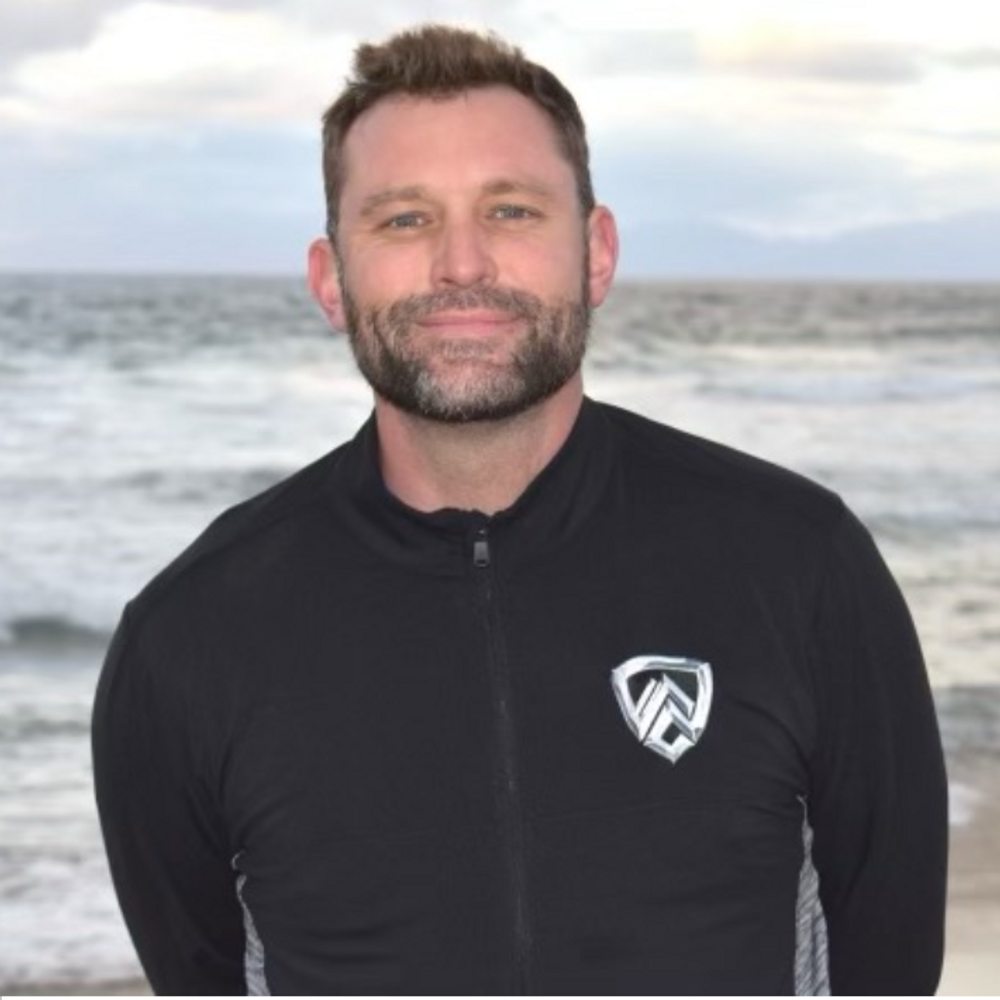
Written by Tynan Mason of Higher Grounds Management
The Real Test of Recovery Begins After the Program
A teenager enters treatment.
For several weeks, life becomes highly structured. Wake-up times are fixed. Access to substances or unhealthy peers is restricted. Adults are available. Expectations are visible.
The environment itself carries much of the discipline.
Then the teenager comes home.
The bedroom is the same. The phone reconnects. Friends reappear. Parents are relieved but frightened. School pressure resumes. Old arguments wait almost exactly where everyone left them.
This is where families discover an uncomfortable truth:
A teenager can improve inside a program without the family becoming prepared to sustain that improvement outside of it.
Modern adolescent substance-use guidance increasingly emphasizes family involvement, treatment of co-occurring conditions, sustained engagement, and continuing care rather than viewing discharge as the end of treatment.
Higher Grounds’ Back On Track Digital E-Course gives teens, young adults, and parents a structured way to work on accountability, routines, screens, and family expectations in everyday life.
“Best” Should Describe Fit, Not Prestige
Parents naturally search for the best teen recovery program.
But beautiful facilities, impressive websites, distance from home, and expensive
programming do not tell you whether an intervention fits your child.
A credible program should be able to explain:
What problem it is treating
How that problem is assessed
Which interventions are supported by evidence
How parents are involved
How co-occurring mental-health concerns are addressed
How progress is measured
What happens after discharge
A 2026 systematic review in the Journal of Clinical Child & Adolescent Psychology found strong evidence for several adolescent substance-use approaches, including ecological family-based treatment and cognitive behavioral therapies, with behavioral family treatment and motivational interviewing also supported at meaningful evidence levels.
No serious evidence-based principle says the most dramatic intervention is automatically the best.
Intensity should follow need...not fear.
Higher Grounds Field Observation: Removal Can Create a False Sense of Resolution
Consider a composite family.
A sixteen-year-old enters a structured program after escalating cannabis use, school avoidance, dishonesty, and explosive conflict.
He improves.
He wakes on time. Participates. Exercises. Speaks respectfully. Uses no substances.
His parents understandably conclude:
“We have our son back.”
But very little changes at home while he is away.
His mother still fears upsetting him.
His father still responds with anger after allowing problems to build.
There is no agreement about money, curfew, transportation, friends, drug testing, screens, or what happens if school refusal returns.
The teenager has changed environments.
The family has not yet changed its operating system.
Within weeks of returning, familiar negotiations begin.
This does not prove treatment was ineffective.
It reveals something more important:
Treatment created progress that the home was not yet organized to protect.
The Higher Grounds Recovery Transfer Standard
The question is not simply whether a teenager improves.
Ask whether that improvement can survive ordinary life.
1. Can the Teen Function Without Institutional Structure?
A program may temporarily supply motivation through schedules, supervision, and
restricted access.
Recovery requires gradually carrying more of that structure internally.
Can your teenager wake up, attend school, tolerate frustration, communicate honestly, and manage responsibilities when nobody is standing beside them?
That is transfer.
2. Did the Family Change While the Teen Was Away?
A young person should not return to precisely the same system that existed before treatment.
Parents may need to change:
Rescue patterns
Inconsistent consequences
Communication during conflict
Access to money or vehicles
Digital boundaries
Expectations around school
Responses to substance use
How responsibility earns freedom
Family involvement is not equivalent to family blame.
Research on transition-age youth with substance-use disorders describes families as potentially powerful resources across problem identification, treatment engagement, active treatment, and recovery support.
3. Has the Return Home Been Designed Before Discharge?
A discharge plan should not begin in the parking lot.
Families need to know what the first evening, first weekend, and first difficult setback will look like.
What happens if your teenager contacts the same peer group?
What happens if a drug screen is positive?
What if they refuse school?
What support continues?
Who communicates with whom?
Ambiguity is dangerous when everyone is emotional.
4. Is Progress Defined Behaviorally?
“Doing better” is encouraging.
It is also vague.
Track what matters:
School attendance. Substance use. Curfew. Sleep. Family conflict. Honesty. Treatment
participation. Work. Exercise. Recovery-support attendance. Responsible phone use.
A measurable plan makes deterioration visible before a family reaches another crisis.
5. Is Continuing Care Part of the Program?
Adolescent recovery does not end because a program ends.
Research specifically examining adolescent continuing care found that rapid connection to follow-up services and more assertive efforts to engage young people can matter after initial treatment.
A strong discharge is therefore not an ending.
It is a transfer of responsibility.
Why Higher Grounds Focuses on What Happens at Home
Higher Grounds Management works in the gap between a recommendation and its real-world implementation. Its current services include behavioral coaching and mentorship, executive-functioning support, digital intervention, parental support, and in-home or virtual family work.
Families can explore Higher Grounds Management when a teenager is receiving, or has completed, professional treatment but the household needs stronger systems for accountability, structure, and follow-through.
Higher Grounds does not replace detoxification, psychiatric treatment, psychotherapy, medical care, or licensed substance-use treatment when those services are necessary.
Its role is different:
Help the family make progress operational.
Why JJ Bustamante and BCBA-Informed Measurement Matter
Tynan Mason works closely with Jose Juan “JJ” Bustamante, BCBA, integrating behavior-analytic thinking into Higher Grounds’ practical family work.
The Behavior Analyst Certification Board identifies measurement and data interpretation, behavior assessment, behavior-change procedures, and intervention implementation among the core professional competencies of BCBAs.
That perspective creates better questions.
Not:
“Is he finally taking recovery seriously?”
But:
How many school days were attended?
How often did the established curfew hold?
What preceded the last major conflict?
What happened after dishonesty?
What responsibility was restored afterward?
How much prompting is still necessary?
Data should never reduce a teenager to statistics.
It should protect the family from making every decision according to fear, relief, anger, or one unusually good day.
The Digital Environment Must Be Part of Reentry
A teenager can return sober or emotionally stabilized and immediately reconnect with the same digital environment that organized much of life beforehand.
Old contacts are one tap away.
Sleep can deteriorate.
Online conflict returns.
Gaming can become avoidance.
Parents should decide technology expectations before the first major disagreement.
Higher Grounds provides a free setup guide for the Qustodio App to help parents create practical monitoring and device boundaries.
Technology controls are not treatment.
They are environmental guardrails.
Sometimes Young People Need to Practice Responsibility, Not Discuss It
Some clinically stable teens and young adults benefit from an environment where ordinary comforts are reduced and tangible participation becomes unavoidable.
Higher Grounds’ The Ranch uses physical work, outdoor activity, animal care, reduced digital distraction, and shared responsibility as part of an immersive experience. The organization describes the Ranch as a digital-detox and wellness setting rather than emergency psychiatric or medical treatment.
The important distinction is purpose.
Changing environments should eventually strengthen functioning in normal life—not become an escape from normal life.
What Parents Should Ask Before Choosing a Recovery Program
Ask the program what happens after the impressive part.
How will your child transition home?
How are parents prepared?
How are co-occurring disorders handled?
What evidence supports the treatment approach?
How is relapse or deterioration addressed?
What continuing care is recommended?
How does the program know when treatment is working?
Contemporary adolescent-treatment recommendations specifically emphasize family participation, behavioral therapies, co-occurring mental-health treatment, engagement, and continuing recovery support.
A provider should welcome questions about those issues.
Frequently Asked Questions
Does My Teen Need Residential Treatment to Recover?
Not necessarily. The appropriate level of care depends on safety, severity, substance use, psychiatric needs, home stability, and prior response to treatment.
Can Family Change Really Affect Teen Recovery?
Yes. Family involvement has substantial theoretical and empirical support in adolescent substance-use treatment, although the appropriate form of involvement differs by family and clinical situation.
What if My Teen Does Great in Treatment but Struggles at Home?
That may indicate difficulty transferring skills into the natural environment. Discuss continuing care, family structure, triggers, peer exposure, and behavioral expectations with the treatment team.
Is Relapse Proof That Treatment Failed?
No. A setback should trigger reassessment of risk, treatment intensity, environmental factors, and continuing-care needs rather than automatic hopelessness.
Should Parents Monitor Everything After Treatment?
Recovery does not require permanent surveillance. Early structure may need to be stronger, but the long-term objective is progressively greater responsible independence.
How Higher Grounds Thinks About Real Recovery
Recovery cannot mean merely becoming easier to manage inside a controlled environment.
A teenager must eventually confront freedom again.
And freedom exposes what structure temporarily concealed.
The deeper task is helping a young person develop enough judgment to carry choices responsibly while helping parents construct a household that neither enables failure nor attempts to control every movement.
That requires more than hope.
It requires evidence, observation, appropriate professional care, family participation, and a plan capable of surviving an ordinary Tuesday night.
Higher Grounds Resources
Qustodio App
Jose Juan (JJ) Bustamante, BCBA — Certification #1-11-9050 — LinkedIn Profile
References
Welsh, J. W., Dopp, A. R., Durham, R. M., et al. (2025). Narrative review: Revised principles and practice recommendations for adolescent substance use treatment and policy. Journal of the American Academy of Child & Adolescent Psychiatry, 64(2), 123–142. doi:10.1016/j.jaac.2024.03.010.
Hogue, A., Porter, N. P., Henderson, C. E., et al. (2026). Evidence base on outpatient behavioral treatments for adolescent substance use, update 2018–2023: Current status, best practices, and opportunities for advancing the science. Journal of Clinical Child & Adolescent Psychology, 55(3), 391–415. doi:10.1080/15374416.2025.2521855.
Fishman, M., Wenzel, K., Scodes, J., et al. (2021). Family involvement in treatment and recovery for substance use disorders among transition-age youth: Research bedrocks and opportunities. Journal of Substance Abuse Treatment. doi:10.1016/j.jsat.2021.108402.
Godley, M. D., Passetti, L. L., Subramaniam, G. A., et al. (2017). Continuing care for adolescents in treatment for substance use disorders. Child and Adolescent Psychiatric Clinics of North America. doi:10.1016/j.chc.2016.06.003.
Behavior Analyst Certification Board. (2022). BCBA Test Content Outline (6th ed.; updated September 2024).
Treatment Should Prepare a Teen to Return to Life
The most important question is not whether your teenager can succeed while every variable is controlled.
It is whether the gains begin surviving freedom, disappointment, school pressure, relationships, boredom, conflict, and the return home.
The strongest recovery plan does not simply change where a teenager lives for a period of time. It helps the teenager and the family learn to live differently when that period ends.


Comments