


Are Hormone Disrupting Clothing and Plastic Water Bottles Affecting My Teen’s Health?
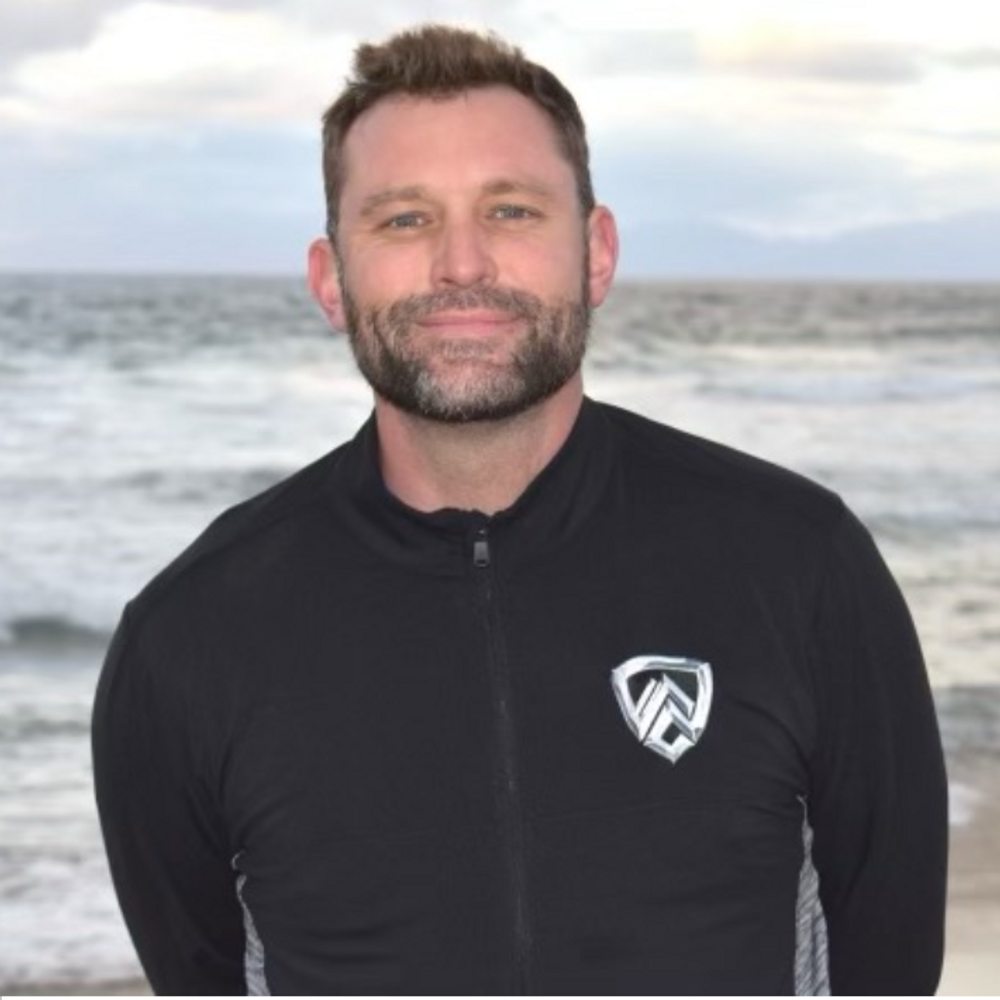
Written by Tynan Mason of Higher Grounds Management
Contact our award-winning behavioral consultant team, Higher Grounds Mgmt., which is recognized for delivering positive outcomes for you and your family, regardless of your current city or state of residence.
What Are Hormone Disruptors and Why Should Families Pay Attention?
Many parents focus on nutrition, sleep, and screen time when supporting their teens’ health, but an often overlooked factor is daily exposure to hormone-disrupting chemicals. These substances can be found in common items such as clothing fabrics, athletic wear, plastics, food containers, and water bottles. Teens are especially vulnerable because their hormonal systems are still developing.
Hormone disruptors interfere with the body’s endocrine system, which regulates growth, mood, metabolism, stress response, and development. When teens experience unexplained mood swings, fatigue, difficulty concentrating, or changes in sleep patterns, environmental factors may be contributing.
At Higher Grounds Management, we take a holistic approach to teen and young adult wellness. That includes educating families on emotional health, behavior, environment, and physical well-being. Understanding what teens are exposed to each day helps families make informed choices rather than reactive ones.
If you want guidance on supporting your teen’s overall health and balance, you can reach out here.
What Common Products Contain Hormone Disrupting Chemicals?
Many hormone disruptors are invisible and odorless, making them easy to overlook. Some of the most common sources include:
1. Synthetic Clothing and Athletic Wear
Many teens wear synthetic fabrics daily, especially athletic clothing designed to stretch, wick sweat, or resist odor. These materials may contain chemicals that disrupt hormonal balance, especially when worn close to the skin for long periods.
Clothing labeled as stain-resistant, wrinkle-free, or odor-resistant may be treated with chemicals that impact hormone function.
2. Plastic Water Bottles and Food Containers
Plastic bottles and containers may leach chemicals when exposed to heat, sunlight, or repeated use. This is especially concerning for teens who reuse plastic bottles for sports, school, or workouts.
Even plastics labeled as safe may still release substances that interfere with hormones over time.
3. Personal Care Products
Lotions, deodorants, fragrances, hair products, and body sprays often contain synthetic ingredients that can impact hormonal systems when absorbed through the skin.
4. Household Items
Plastic storage containers, cleaning products, air fresheners, and coated cookware can also contribute to cumulative exposure.
Exposure does not come from one source alone. It builds over time through repeated contact.
How Can Hormone Disruptors Affect Teens Specifically?
Teens are in a critical stage of physical, emotional, and neurological development. The endocrine system is actively regulating growth, puberty, emotional regulation, and energy levels.
Potential impacts may include:
Mood instability
Increased anxiety or irritability
Difficulty concentrating
Fatigue and low motivation
Disrupted sleep
Changes in appetite
Heightened stress response
Hormonal imbalance
While hormone disruptors are not the sole cause of these challenges, they can contribute to an already stressed nervous system, especially when combined with academic pressure, screen dependency, and lack of sleep.
Why Awareness Matters More Than Fear
Education is not about panic. It is about choice. Families do not need to eliminate every modern convenience to support health. They need information that empowers better decisions.
At Higher Grounds Management, we believe awareness builds confidence. When teens understand how their environment affects their body and brain, they become more invested in self-care and responsibility.
This education often opens meaningful conversations between parents and teens about health, balance, and long-term well-being.
How Can Families Reduce Exposure Without Overhauling Everything?
1. Choose Safer Clothing Options
Opt for natural fibers like cotton, wool, linen, or bamboo when possible, especially for items worn close to the skin.
2. Replace Plastic Water Bottles
Switch to stainless steel or glass bottles for daily hydration. This is a simple change with a meaningful impact.
3. Avoid Heating Plastics
Do not microwave food in plastic or leave plastic bottles in hot environments like cars.
4. Simplify Personal Care Products
Choose fragrance free or minimally processed body care products when available.
5. Focus on Progress, Not Perfection
Small changes made consistently matter more than extreme changes made briefly.
How Does Environmental Health Connect to Emotional and Behavioral Well-Being?
A teen’s body and brain are deeply connected. Physical imbalances can amplify emotional symptoms, reduce focus, and affect motivation.
When teens feel off but cannot explain why, frustration increases. Supporting environmental health alongside emotional regulation, structure, and accountability often leads to noticeable improvements in mood and energy.
Our work goes beyond behavior correction. We look at the whole picture.
How Does Higher Grounds Management Educate Families on the Full Spectrum of Wellness?
Higher Grounds Management focuses on the entire ecosystem surrounding a teen’s life.
This includes:
Emotional intelligence
Executive functioning
Behavioral accountability
Environmental education
Screen time balance
Sleep hygiene
Nutrition awareness
Physical activity
Family communication
Routine and structure
By addressing wellness holistically, teens feel supported rather than controlled. Education becomes empowering rather than restrictive.
Families consistently report reduced conflict, better communication, and improved emotional balance when lifestyle changes are approached collaboratively.
Why Is This Especially Important for Teens Today?
Today’s teens face more stimulation, stress, and environmental exposure than any generation before them. Supporting mental health without addressing physical and environmental contributors leaves important gaps.
By teaching teens how their environment impacts their mood, focus, and energy, we help them take ownership of their health rather than feeling helpless or overwhelmed.
This knowledge becomes a lifelong skill.
What Is the First Step for Families Wanting More Balance?
You do not need to become an expert overnight. The first step is curiosity and willingness to learn. When families work together, changes feel supportive rather than restrictive.
Higher Grounds Management provides education, structure, and accountability so families can make informed decisions that support both mental and physical health.
If you are in Manhattan Beach, Hermosa Beach, Redondo Beach, El Segundo, Torrance, Rolling Hills, Rancho Palos Verdes, Newport Beach, Corona Del Mar, or anywhere in Orange County, Higher Grounds Management is here to help. We also offer virtual support and therapy to families nationwide.
We are here to help, in your home or virtually. Contact us today to get started.
Written by Tynan Mason of Higher Grounds Management


