


The New York Minute Is Destroying Your Teen or Young Adult: Why They Need to Slow Down, Reset, and Rebuild at The Ranch from Award-Winning Higher Grounds Management
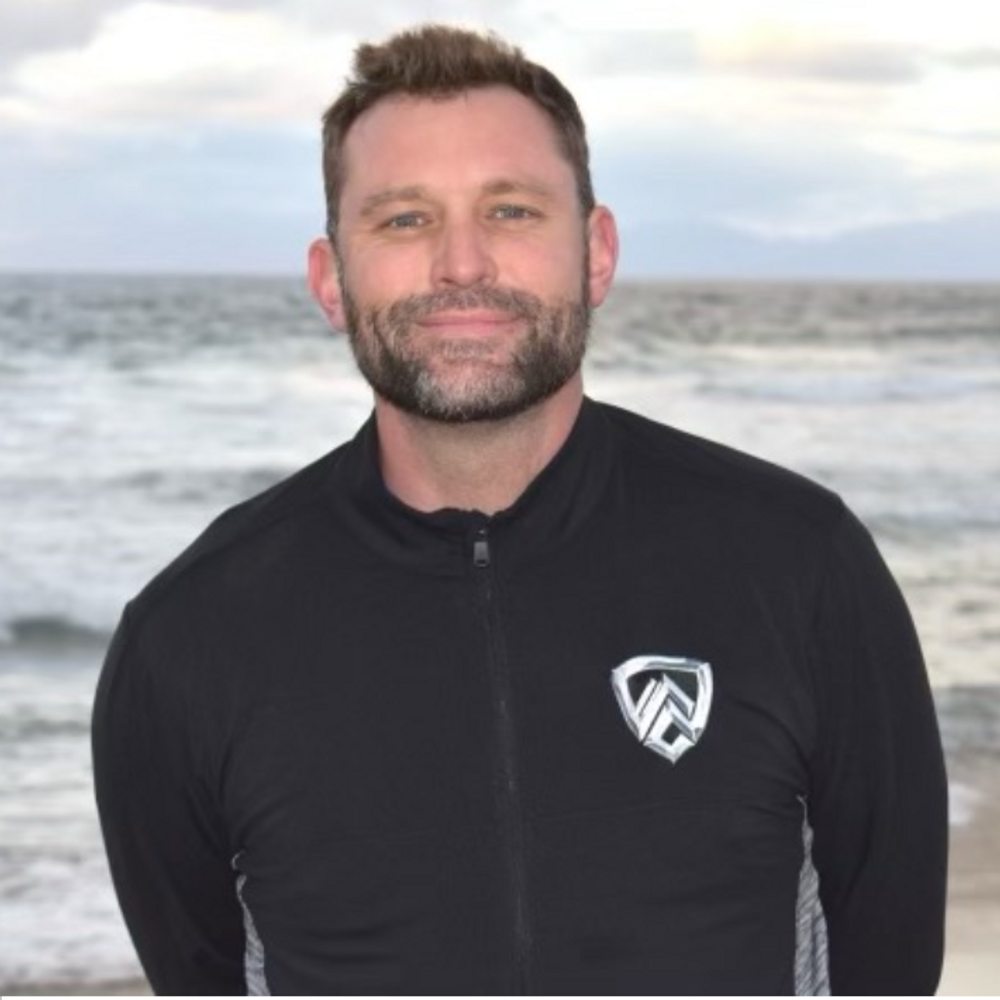
- Tynan Mason of Higher Grounds Management
- 7 hours ago
- 7 min read
Join us for our new digital detox and wellness retreat for youth ages 10-12, teens, and young adults at The Ranch.
Discover the step-by-step strategies to restore connection and establish healthy digital boundaries in your home with our interactive Family Playbook.
Want to monitor and limit your teen's screen time? Follow our free set-up guide for the Qustodio App.
Get access to our exclusive e-course for children, teens, and young adults struggling with screen addiction: The 21 Day Challenge.
Contact a behavioral consultant team that is proven to get results for you and your family, no matter which city and state you live in, with Higher Grounds Mgmt.
Written by Tynan Mason of Higher Grounds Management
If you are raising a family in New York City or the surrounding Tri-State area, you know that "pressure" has a different meaning here.
Whether you are in a co-op on the Upper West Side, a brownstone in Brooklyn, or commuting from Westchester, your teen is growing up in the most competitive ecosystem in the country. In New York, childhood often feels like a race. From the moment they enter pre-K, the focus is on the next step: the right middle school, the right specialized high school, the right college. But lately, you have noticed that your teen has stopped running the race. In fact, they have stopped moving altogether.
You might be seeing a "Failure to Launch" dynamic that is terrifyingly common in the city. A capable, intelligent teen who has slowly withdrawn from life and retreated into the safety of their room. The city is alive just beyond the window, full of opportunity and movement, yet they feel disconnected from it and from themselves. What often looks like laziness or defiance is more accurately a form of numbing what persists underneath. Video games, social media, and substances become ways to avoid the weight of expectation, failure, or meaninglessness. This pattern is not a lack of ability but a loss of direction. Left unaddressed, it hardens. Addressed early, it can be reversed by restoring structure, responsibility, and a sense that their effort actually matters.
At Higher Grounds Management, we work with many NYC families who feel trapped. You have access to the best therapists in the world, the best tutors, and the best resources. Yet, your teen is still spinning out.
Why? Because sometimes, you cannot heal a burn while you are still standing in the fire.
For the New York teen who is overwhelmed, overstimulated, and under-performing, the answer isn’t another hour of therapy on Park Avenue. The answer is silence, space, and a complete reset at The Ranch.
The Concrete Jungle vs. The Human Nervous System
To understand why your teen is struggling, you have to look at the environment. New York City is an incredible place to be an adult, but it can be a brutal place to be a teenager with a dysregulated nervous system.
1. The Hyper-Stimulation Trap New York is loud, bright, and crowded. For a teen with ADHD, anxiety, or sensory processing issues, the city is a constant assault on the senses. To cope, they often retreat into the digital world because it is the only environment they can control. Their screen becomes their shield against the chaos of the city.
2. The "Mini-Adult" Syndrome NYC teens are expected to be independent far earlier than their peers elsewhere. They navigate subways, complex social hierarchies, and adult-level academic pressure. While this builds "street smarts," it often crushes emotional maturity. They mask their anxiety with a cool, detached persona, but underneath, they are terrified and overwhelmed.
3. The Access to Vices In a dense city, access to trouble is immediate. Vaping products, alcohol, and drugs are available on nearly every corner or via delivery services that operate faster than Seamless. The anonymity of the crowd makes it easy for a teen to hide their habits until they become addictions.
4. The "Data" of Distress You are not imagining the problem. Research from Common Sense Media reveals that teens now spend an average of seven hours and 22 minutes on screens daily for entertainment alone. In a vertical city like New York, where "going outside" requires significant effort, that number can skyrocket. This digital immersion is rewiring their brains, making them intolerant of boredom and incapable of sustained focus.
Why "The West" is the Antidote to "The East"
If the problem is speed, noise, and density, the solution is slowness, silence, and space.
Sending your teen to The Ranch in the West is not just about changing their location; it is about changing their neurobiology. We utilize a concept called "Environment-Based Therapy."
Here is why the shift from NYC to The Ranch works:
The Shift from "Performance" to "Purpose" In New York, your worth is often tied to your performance: your grades, your clothes, your social standing. At The Ranch, those things don't exist. The horses don't care if your parents are on the board of the museum. They only care if you are calm, consistent, and kind. This strips away the "New York Mask" your teen has been wearing and allows their authentic self to emerge.
The Shift from "Noise" to "Signal" In the city, there is so much noise (both literal and digital) that teens cannot hear their own thoughts. In the quiet of the West, they are forced to sit with themselves. Initially, this is uncomfortable. But that discomfort is where growth happens. They learn to listen to their own intuition rather than the collective anxiety of the city.
The Shift from "Consumer" to "Producer" New York is a city of consumption. You buy food, you buy entertainment, you buy services. At The Ranch, teens become producers. They must care for animals, maintain the grounds, and participate in the daily labor of life. This shifts their mindset from entitlement ("Where is my dinner?") to empowerment ("I helped make this happen.").
What Actually Happens at The Ranch?
Parents often ask us, "Is this a boot camp?" The answer is an emphatic no. Boot camps are about breaking a child down. The Ranch is about building them up.
Our program combines structured behavioral intervention with the healing power of nature.
1. The Digital Detox This is non-negotiable. The phone is gone. For the first few days, your teen will likely be angry. They will experience "dopamine withdrawal." But usually, by day four or five, a shift occurs. The brain fog lifts. They start making eye contact. They start laughing at real things, not just memes.
2. Grit and Labor We value "Grit"...the combination of passion and perseverance. Grit isn't learned in a classroom; it is learned when you are tired, your hands are dirty, and you still finish the job. Whether it is mucking a stall or repairing a fence, these tasks build a reservoir of self-respect that they will bring back to the city.
3. Executive Functioning Repair Teens with ADHD often struggle with the multi-step planning required for city life. Ranch work is the ultimate executive functioning training. It requires planning, sequencing, and adaptability. If you don't latch the gate, the animals get out. The consequences are real and immediate, which teaches responsibility faster than any lecture.
The Parallel Process: Your Job in the City
While your teen is out West, you have a critical job to do back in New York. We call this the Parallel Process.
If your teen returns to the same high-pressure, low-boundary environment, they will relapse. You cannot put a healed plant back into toxic soil.
1. Stop the "Concierge Parenting" In NYC, many parents are used to solving problems for their kids to help them get ahead. We coach you on how to step back. You must learn to let them experience small failures so they don't experience a catastrophic "Failure to Launch" later.
2. Create a "Digital Sanctuary" We help you implement tools like Qustodio to ensure that when they return, the home is not a free-for-all. You will learn to set boundaries on Wi-Fi and device usage that protect their sleep and their mental health.
3. Redefine Success We work with you to lower the temperature on academic and social pressure. We help you signal to your child that their character matters more than their resume.
Does It Work? A Real Perspective
We recently worked with a family whose situation mirrored what many NYC parents face. Their 16-year-old was bright but had stopped attending school, claiming he was "too depressed to move." He was spending 12 hours a day gaming.
After a stay at The Ranch, the change was profound. He didn't come back "cured" instantly, it's a process, but he came back awake. He started volunteering. He limited his own screen time because he realized how much better he felt without it. The parents told us, "We finally have our son back."
It’s Time to Stop the Clock
Life in New York moves fast, the term “New York Minute” is a known term for a reason, but childhood moves faster. These years pass once, and too many families look back wishing they had acted sooner instead of spending them locked in constant conflict with someone they love. Don’t regret the wait and indecision. If the pace and pressure of the city are weighing on your teen, it may be time to offer real relief, not another argument or consequence. The Ranch by Higher Grounds Management exists to give teens space to reset, stabilize, and reconnect with themselves and their families. For families in Manhattan Beach, Hermosa Beach, Redondo Beach, El Segundo, Torrance, Rolling Hills, Rancho Palos Verdes, Newport Beach, Corona Del Mar, and throughout Orange County, support is close. For those elsewhere, virtual services are available nationwide that are still impactful in the home and in their lives.
Join us for our new digital detox and wellness retreat for youth ages 10-12, teens, and young adults at The Ranch.
Discover the step-by-step strategies to restore connection and establish healthy digital boundaries in your home with our interactive Family Playbook.
Want to monitor and limit your teen's screen time? Follow our free set-up guide for the Qustodio App.
Get access to our exclusive e-course for children, teens, and young adults struggling with screen addiction: The 21 Day Challenge.
We’re here to help, in your home or virtually. Contact us today to get started.


Comments