


Why Your Teen’s Bedroom Is a Waiting Room for Failure and Why Real Intervention Matters From Award-Winning Behavioral Intervention & Family Therapy, Higher Grounds Management
Join us for our new digital detox and wellness retreat for youth ages 10-12, teens, and young adults at The Ranch.
Discover the step-by-step strategies to restore connection and establish healthy digital boundaries in your home with our interactive Family Playbook.
Want to monitor and limit your teen's screen time? Follow our free set-up guide for the Qustodio App.
PuraVida Therapy: Gratitude & Wellness Retreats for Teens & Young Adults. Surf 🏄 + Skate 🛹 + Snow 🏂
Get access to our exclusive e-course for children, teens, and young adults struggling with screen addiction: The 3 to 7 Day Digital Detox Challenge E-Course.
Contact a behavioral consultant team that is proven to get results for you and your family, no matter which city and state you live in, with Higher Grounds Mgmt.
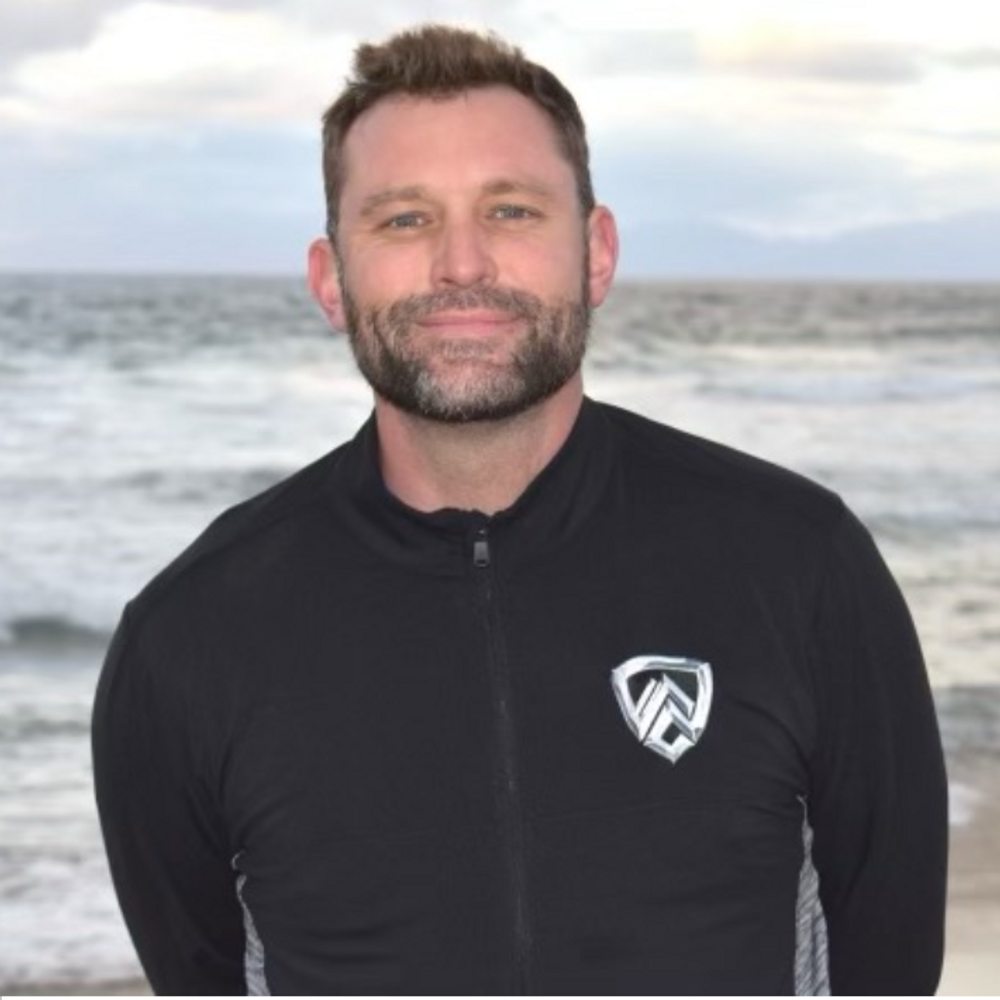
Written by Tynan Mason of Higher Grounds Management
The Architecture of Inertia
There is a specific smell associated with the crisis of the modern teenager. It is the scent of stale air, unwashed laundry, and old food in a room where the window has not been opened in weeks. It is the atmosphere of a life on pause.
We are facing a pandemic of sedentary behavior that goes far beyond simple laziness. We see teenagers and young adults who have effectively retired from life before they have even started. They spend 16 to 20 hours a day in a single room, usually in a bed or a gaming chair.
They do not do chores. They do not exercise. They do not engage with the household.
This is not just a "phase." It is a physiological and psychological trap. When the body stops moving, the brain stops processing hope. The human system is designed for movement, for struggle, and for the release of energy. When you confine a young man or woman to a 10x10 box, their horizon shrinks to the size of that box. Their muscles atrophy, yes, but more dangerously, their ambition atrophies.
At Higher Grounds Management, we view this sedentary lifestyle as a medical emergency. A body at rest tends to stay at rest, and a teen at rest tends to slide into depression, anxiety,
and a complete "failure to launch."
The Biological Feedback Loop of Despair
Parents often wait for their child to feel "motivated" before they ask them to do anything.
You think, "Once he feels better, he will start cleaning his room."
You have the equation backward.
Action precedes motivation. Biology dictates psychology. When a teen sits sedentary for days on end, their metabolism slows. Their production of serotonin and dopamine becomes dysregulated. They feel lethargic, foggy, and sad. Because they feel this way, they have no desire to move. Because they do not move, they feel worse.
This is the spiral.
The refusal to do chores or leave the house is a symptom of this spiral. Chores are the basic maintenance of life. Taking out the trash, washing dishes, and making a bed are the fundamental proofs that you are a participant in your own existence. When a teen refuses to do them, they are signaling that they view themselves as a guest, or a prisoner, in their own life, rather than an active operator.
Breaking the Stasis: The Higher Grounds Method
You cannot think your way out of this trap. You have to walk your way out of it. You have to
work your way out of it.
At our ranch in Creston, California, the option to be sedentary is removed. The environment does not allow it. The geography of San Luis Obispo County is demanding. The sun hits the hills early, and the work begins immediately.
We disrupt the physical stagnation instantly. There are no gaming chairs here. There are feed buckets to carry. There are stalls to muck. There are trails to hike. We force oxygen into the lungs and blood into the muscles.
But physical movement is just the primer. The engine of our program is a rigorous, structured approach to Goal Setting.
Most struggling teens have no idea how to set a goal. They have wishes ("I wish I was rich," "I wish I was happy"), but they have no mechanism to turn those wishes into reality. They lack executive function.
We teach them the mechanics of ambition. We strip away the vague desires and replace them with concrete targets.
The Mechanics of Ambition
A goal without a plan is just a delusion. For a teen who has spent years in a passive state, the idea of planning for the future is terrifying. They are used to the instant gratification of a screen, where the "goal" is provided by the game developer and the reward is immediate.
Real life requires a different kind of engine.
We work with each student to identify what they actually want their life to look like. Not what you want, but what they want. Once we have a vision, whether it is returning to college, getting a job in a specific trade, or simply having a social life, we work backward.
We teach them to reverse-engineer success. If the long-term goal is to move out of your house, what are the ten steps required to get there? If the first step is getting a job, what are the five steps required to get an interview?
We turn the abstract into the actionable. We take the overwhelming mountain of "adulthood" and break it down into manageable stones that can be moved one by one.
The Art of the Micro-Goal
The sedentary brain is easily overwhelmed. If you tell a teen who hasn't left their room in a month that they need to "get a career," they will shut down. It is too big.
We focus on the micro-goal.
A micro-goal might be as simple as "Wake up at 7:00 AM three days in a row." It might be "Complete the morning barn chores without being asked." It might be "Lead the group discussion at dinner."
These goals seem small, but they are foundational. They build the muscle of follow-through.
Every time a student sets a small target and hits it, they deposit a penny of confidence into their account. Over time, these pennies add up. They begin to see themselves not as victims of circumstance, but as agents of change.
We teach them that confidence does not come from shouting affirmations in a mirror. It comes from a stack of undeniable proof that you are someone who does what they say they will do.
Accountability and Follow-Through
Setting the goal is the easy part. Anyone can write down a New Year's resolution. The separation between success and failure happens in the follow-through.
This is where our award-winning methodology comes into play. As recently featured in Forbes (https://www.forbes.com/sites/hvmacarthur/2025/12/18/the-invisible-responsibility-leaders-supporting-mental-health/), our leadership in the mental health space is defined by our commitment to accountability.
We do not let them off the hook.
If a student commits to a goal, we hold them to it. If they say they will hike the Nine Sisters, we ensure they reach the peak, even if they are tired, even if they complain, even if they want to quit.
We teach them that the feeling of "I don't want to" is not a command. It is just a sensation. It can be acknowledged and then ignored.
By consistently forcing the completion of goals, we rewire the brain's reward system. They start to get their dopamine from achievement rather than from entertainment. They learn that the satisfaction of finishing a hard job is far deeper and longer-lasting than the cheap thrill of a video game win.
The Parallel Process: Goal Setting for Parents
While your teen is in Creston learning the discipline of execution, you must be doing the same at home.
You cannot remain sedentary in your parenting. You cannot hope that we will fix your child and send them back to the same structure that allowed them to fail. You must have goals for your household.
Your goals might involve establishing a tech-free zone in the house. They might involve learning to communicate without yelling. They might involve stopping the enabling behaviors that have allowed your teen to opt out of life.
Our parent coaches will help you set these goals and, more importantly, hold you accountable to them. If you slide back into old habits, we will call you on it. The Parallel
Process ensures that when your goal-oriented teen returns, they are returning to a goal-oriented home where action is valued over excuses.
The Digital Guardrail: Qustodio
A major part of the new goal structure at home involves technology. The sedentary lifestyle is fueled by the screen. To break the lifestyle, you must manage the fuel.
We require the use of Qustodio (https://www.qustodio.com).
This app is the tool you will use to support your child’s new goals. If their goal is to get a job,
Qustodio ensures they are using their laptop to search for employment, not to watch Twitch streams for six hours. If their goal is to sleep better, Qustodio ensures the phone shuts down at 9:00 PM.
It is the guardrail that keeps the car on the road while the driver learns to navigate.
Moving the Mountain
A teen who is stuck in their room feels like an immovable object. The weight of their inertia
can crush a family.
But they can be moved.
It requires a lever. Higher Grounds Management is that lever. We use the environment of the ranch, the psychology of goal setting, and the power of accountability to pry them out of that bedroom and back into the world.
We replace the stagnation of the screen with the momentum of life. We take the energy that has been dormant and channel it into a direction that leads forward.
Higher Grounds Management works with families nationwide and welcomes out-of-state parents who are ready for a different approach.
Breakthroughs happen when environment, accountability, and support align.
If you’re in Manhattan Beach, Hermosa Beach, Redondo Beach, El Segundo, Torrance, Rolling Hills, Rancho Palos Verdes, Newport Beach, Corona Del Mar, or anywhere in Orange County, Higher Grounds Management is here to help. We also offer virtual support and therapy to families nationwide.
We’re here to help, in your home or virtually. Contact us today (https://www.highergroundsmgmt.com/contact) to get started.


