


Why Is My Teen Living on Soda, Energy Drinks, and Fast Food? Teaching Healthy Eating, Meal Prep, and Cooking Skills From Award-Winning Behavior Intervention & Family Therapy, Higher Grounds Management
Join us for our new digital detox and wellness retreat for youth ages 10-12, teens, and young adults at The Ranch.
Discover the step-by-step strategies to restore connection and establish healthy digital boundaries in your home with our interactive Family Playbook.
Want to monitor and limit your teen's screen time? Follow our free set-up guide for the Qustodio App.
PuraVida Therapy: Gratitude & Wellness Retreats for Teens & Young Adults. Surf 🏄 + Skate 🛹 + Snow 🏂
Get access to our exclusive e-course for children, teens, and young adults struggling with screen addiction: The 3 to 7 Day Digital Detox Challenge E-Course.
Contact a behavioral consultant team that is proven to get results for you and your family, no matter which city and state you live in, with Higher Grounds Mgmt.
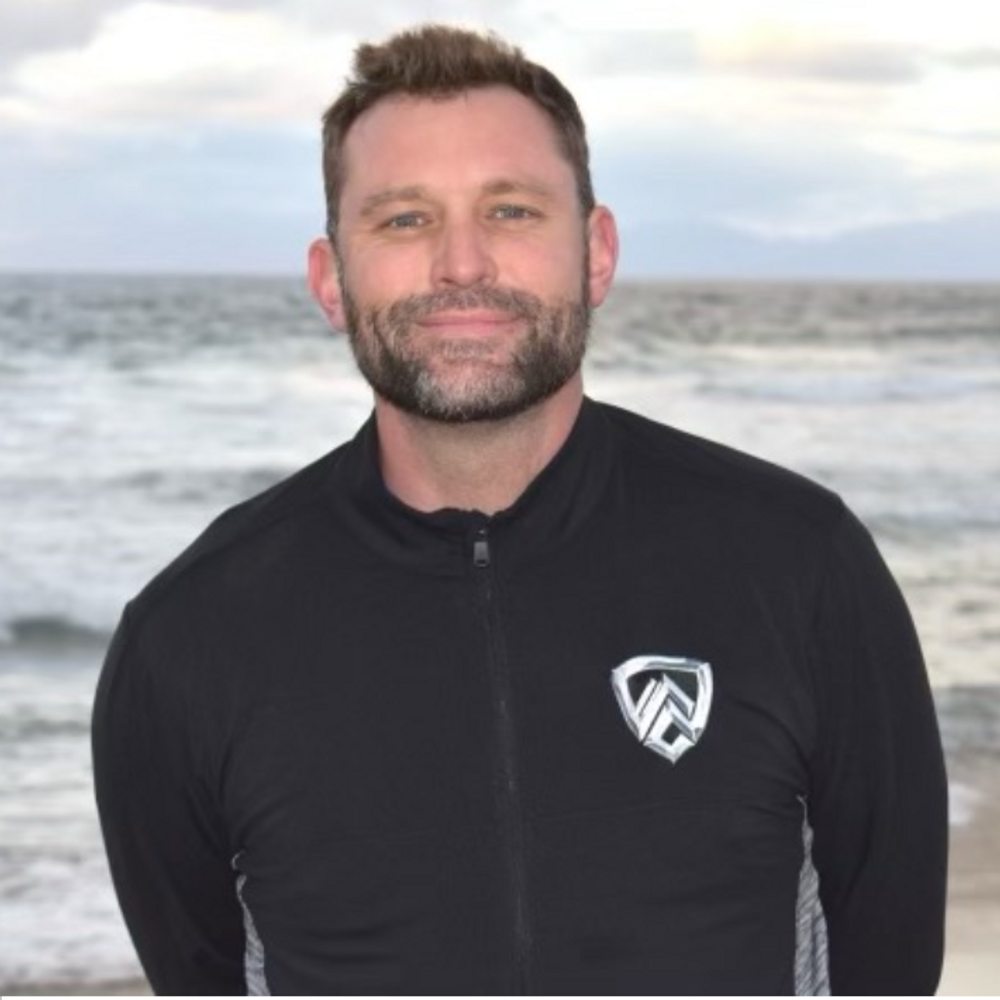
Written by Tynan Mason of Higher Grounds Management
When Food Becomes Part of the Problem
There is a quiet crisis happening in American homes, and it does not always look like rebellion.
Sometimes it looks like a teenager skipping breakfast, drinking an energy drink before school, ordering fast food three nights a week, and calling a bag of chips dinner. Sometimes it looks like a child who is exhausted, irritable, anxious, unmotivated, and emotionally reactive...not because they are broken, but because their body is being asked to build a future on fuel that cannot sustain one.
Parents often look at their teen and wonder what happened.
Why are they so tired?Why are they so moody? Why can’t they focus? Why do they crash in the afternoon?Why does every small request become a battle?
The answer is not always complicated, but it is often uncomfortable. A young person cannot live on caffeine, sugar, processed food, and convenience meals without consequences. The body keeps score. The nervous system keeps score. The family system keeps score.
At Higher Grounds Management, we know this is not merely about food. It is about discipline. It is about responsibility. It is about teaching a young person how to care for the body they have been given before that body begins to work against them.
Healthy eating is not a trend. It is one of the first forms of self-respect.
And for many families, it is time to return to the basics.
The Modern Food Trap: Why Today’s Teens Are At Risk
Teenagers are growing up in a world that has made unhealthy eating almost effortless.
Fast food is everywhere. Sugary drinks are marketed as normal. Energy drinks are treated like accessories. Snacks are designed to be addictive. Food delivery apps make it possible for a teen to avoid cooking, avoid planning, and avoid responsibility altogether.
The problem is not just what they are eating. The problem is what they are not learning.
They are not learning how to cook a simple meal.They are not learning how to prepare food for the week.They are not learning how protein, hydration, sleep, and mood are connected.They are not learning that what they put into their body changes how they think, feel, train, study, and relate to others.
Instead, many teens are learning a dangerous lesson: if I feel uncomfortable, I consume something.
A soda.A coffee drink.A bag of chips.A late-night order.An energy drink.A sugar rush.A distraction.
This becomes a cycle. The teen feels tired, so they reach for caffeine. They crash, so they reach for sugar. They feel anxious, so they snack. They feel unmotivated, so they avoid cooking. They avoid cooking, so they eat whatever is easiest. Then their body becomes more tired, more inflamed, more dysregulated, and more dependent on the very foods and drinks that are making the problem worse.
This is not freedom.
This is dependency dressed up as convenience.
The Solution: Rebuilding the Body, the Routine, and the Family Table
At Higher Grounds Management, we believe that food is one of the most practical places to begin rebuilding a young person’s life.
Not because a perfect diet solves every problem. It does not.
But because food teaches order.
A teen who learns to prepare a meal learns patience. A teen who learns to grocery shop learns planning. A teen who learns to cook breakfast learns responsibility. A teen who avoids energy drinks learns self-control. A teen who learns to meal prep learns that tomorrow is worth preparing for today.
That is not small. That is the beginning of maturity.
The Modern Food Trap: Why Today’s Teens Are At Risk
Our approach is not built around shame, punishment, or unrealistic restrictions. It is built around education, structure, practice, and accountability. We help families move from chaos to rhythm. From impulse to intention. From “whatever is easiest” to “what actually helps me become healthier, stronger, and more capable?”
Here is why healthy eating and meal preparation matter so deeply for teens and families.
Real Food Builds Real Stability
A teenager cannot regulate their emotions well if their body is constantly riding the roller coaster of sugar, caffeine, dehydration, and processed food.
Many parents focus only on the behavior they can see: the attitude, the withdrawal, the irritability, the laziness, the disrespect. But behavior does not come out of nowhere. It is connected to sleep, movement, environment, relationships, and nutrition.
If a teen starts the day with no breakfast, drinks an energy drink by noon, eats fast food after school, and snacks late into the night, their body is not being nourished. It is being provoked.
At Higher Grounds Management, we help teens understand that food is not just about weight, appearance, or rules. Food is about function.
Can you focus? Can you train? Can you sleep? Can you think clearly? Can you control your temper? Can you show up for your responsibilities? Can you build the kind of life you say you want?
Real food gives the body something solid to stand on. Protein, fruits, vegetables, whole grains, water, and consistent meals are not glamorous. But they are powerful because they create a foundation.
And young people need foundations more than they need another lecture.
Meal Prep Teaches Responsibility Before Motivation Arrives
Most teens do not naturally wake up excited to meal prep.
That is fine.
The goal is not to wait until they feel motivated. The goal is to teach them that responsible people prepare even when they do not feel like preparing.
Meal prep is one of the simplest ways to teach a young person how to think ahead. It forces them to ask basic adult questions:
What am I eating tomorrow? What do I need from the store? What can I cook that will actually fuel me? How can I make school mornings easier? How do I avoid spending money on food that makes me feel worse? How do I take ownership instead of depending on everyone else?
At Higher Grounds Management, we work with teens and families to build practical food systems. That may include planning simple breakfasts, preparing lunches, cooking basic dinners, learning how to use leftovers, creating grocery lists, and building a weekly rhythm around meals.
This does not need to be complicated.
A teen can learn to cook eggs. A teen can learn to grill chicken. A teen can learn to make rice, potatoes, vegetables, wraps, bowls, smoothies, and healthy snacks. A teen can learn to pack a lunch instead of buying junk. A teen can learn to drink water instead of soda. A teen can learn that cooking is not beneath them. It is part of becoming capable.
The kitchen is not just a room in the house.
It is a training ground for adulthood.
Boundaries Around Energy Drinks, Soda, and Junk Food Change the Home
Parents often underestimate how much the home environment shapes the teen’s choices.
If the fridge is full of soda, the pantry is full of processed snacks, and energy drinks are treated as normal, then the family has already made the decision before the teen ever reaches for the drink.
At Higher Grounds Management, we help parents create clear dietary boundaries.
That may mean removing energy drinks from the home.That may mean limiting or eliminating soda.That may mean setting expectations around fast food.That may mean creating a rule that meals happen at the table, not alone in a bedroom.That may mean replacing late-night snacking with a healthier evening routine.That may mean teaching teens to ask, “Is this helping me or weakening me?”
These boundaries are not about control for the sake of control.
They are about protection.
Energy drinks and soda may seem harmless because they are common. But common does not mean healthy. A teen who depends on caffeine and sugar to function is being trained to ignore the body’s warning signs instead of listening to them.
Tired? Drink caffeine.Stressed? Eat sugar.Bored? Snack.Uncomfortable? Consume.
That is not emotional growth. That is avoidance.
A better life begins when the teen learns to pause, choose, and act with intention.
Cooking Reconnects Teens to Reality
Modern life has separated many young people from the consequences of their choices.
They click a button and food arrives. They open a package and call it a meal. They drink caffeine and call it energy. They snack all day and wonder why they have no appetite for dinner.
Cooking brings them back to reality.
It teaches sequence.It teaches patience.It teaches competence.It teaches cause and effect.It teaches humility.
Why Soda, Energy Drinks, and Fast Food Matter
You cannot microwave character into a young person. They have to practice it.
When a teen learns to cook, they begin to understand that life is built through small, repeated actions. You chop. You prepare. You clean. You wait. You serve. You eat. You put things away.
That rhythm matters.
It pulls the teen out of the passive position of being served and places them into the active position of contributing.
A young man or young woman who can cook for themselves is less helpless. Less dependent. Less chaotic. More prepared. More grounded. More useful to themselves and to the people around them.
That is the kind of confidence that cannot be faked.
The Parallel Process: Parents Must Model the Same Dietary Change
This is where many families struggle.
Parents want their teens to stop drinking soda while they keep buying it. They want their teen to stop eating fast food while they eat it in front of them. They want their teen to meal prep while they live in dietary chaos. They want discipline from their child without practicing discipline themselves.
That will not work.
At Higher Grounds Management, we call this the Parallel Process.
If your teen is being asked to change, the family system must change with them. The parent does not need to become perfect. But the parent does need to become honest.
Your teen is watching you.
They are watching what you eat. They are watching what you buy. They are watching what you tolerate in the home. They are watching whether you cook or only criticize. They are watching whether you lead or merely demand.
The strongest family changes happen when parents stop saying, “You need to eat better,” and start saying, “We are going to become healthier as a family.”
That one word matters: we.
We are going to cook dinner twice this week.We are going to stop keeping soda in the house.We are going to prepare lunches on Sunday.We are going to drink more water.We are going to sit at the table.We are going to stop treating food like an afterthought.We are going to build a home that supports the person you are trying to become.
This is leadership.
Not perfection. Leadership.
What Higher Grounds Management Helps Families Build
Higher Grounds Management helps families create practical, sustainable systems that fit real life.
That may include:
Weekly meal prep routines, healthy grocery shopping plans, basic cooking lessons for teens, boundaries around soda and energy drinks, fast food reduction plans, hydration goals, Protein-based breakfast routines, family dinner expectations, school lunch preparation, evening snack boundaries, parent modeling strategies, accountability check-ins, life skills coaching around cooking, cleaning, planning, and follow-through.
The goal is not to turn every family into a nutrition textbook.
The goal is to help the family become functional again.
Food should not be another battlefield. It should become one of the places where the family rebuilds trust, rhythm, and responsibility.
What Results Can Families Expect?
Families who commit to healthier food systems often begin to notice changes that go beyond the dinner table.
Better Energy: Teens who stop relying on sugar and caffeine often begin to experience more stable energy throughout the day.
Improved Mood: When meals become consistent and the body is better nourished, emotional regulation often improves.
More Responsibility: Teens who learn to cook and prep food begin to see themselves as capable contributors, not passive dependents.
Reduced Conflict: Clear food boundaries reduce daily arguments about soda, energy drinks, snacks, and fast food.
Stronger Family Connection: Shared meals create opportunities for conversation, structure, and repair.
Better Sleep and Routine: Reducing late-night sugar, caffeine, and chaotic eating patterns can help support healthier sleep rhythms.
A Different Kind of Confidence: When a teen can make food for themselves, pack a lunch, prepare a meal, and take care of their body, they begin to stand a little taller.
That matters.
Because confidence is not built by telling a young person they are amazing.
Confidence is built when a young person repeatedly proves to themselves that they can do hard, useful things.
Get Your Family Back to the Table
Your teen is not lazy beyond repair. They are not hopeless. They are not destined to live on energy drinks, soda, fast food, and late-night snacks.
But they do need structure.
They need parents who are willing to lead. They need a home environment that supports health. They need boundaries that protect them from what is weakening them. They need skills that prepare them for adulthood. They need to learn that feeding themselves well is not optional. It is part of becoming a responsible human being.
Meal Prep Teaches Responsibility Before Motivation Arrives
At Higher Grounds Management, we help families rebuild from the ground up.
Sometimes that begins with the phone. Sometimes it begins with sleep. Sometimes it begins with school. And sometimes it begins with what is sitting in the pantry.
The body is not separate from the mind. The kitchen is not separate from the family system.
The meals you serve are not separate from the future your child is building.
If your teen is living on caffeine, sugar, processed food, and convenience, it may be time to make a serious change.
Not with shame.
With leadership.
Not with panic.
With a plan.
Discover the step-by-step strategies to restore structure, responsibility, and healthy routines in your home with our interactive Family Playbook.
Want to help your teen reduce soda, energy drinks, junk food, and fast food dependence? Contact Higher Grounds Management for practical behavioral coaching and family-based accountability.
Get access to our exclusive e-course for children, teens, and young adults struggling with discipline, routine, and self-leadership: The 3 to 7 Day Digital Detox Challenge E-Course.
Higher Grounds Management works with families nationwide and welcomes out-of-state parents who are ready for a different approach.
Breakthroughs happen when environment, accountability, and support align.
If you’re in Manhattan Beach, Hermosa Beach, Redondo Beach, El Segundo, Torrance,
Rolling Hills, Rancho Palos Verdes, Newport Beach, Corona Del Mar, or anywhere in Orange County, Higher Grounds Management is here to help. We also offer virtual support and therapy to families nationwide.
Join us for our new digital detox and wellness retreat for youth ages 10-12, teens, and young adults at The Ranch.
Want to monitor and limit your teen's screen time? Follow our free set-up guide for the Qustodio App.
PuraVida Therapy: Gratitude & Wellness Retreats for Teens & Young Adults. Surf 🏄 + Skate 🛹 + Snow 🏂
Get access to our exclusive e-course for children, teens, and young adults struggling with screen addiction: The 3 to 7 Day Digital Detox Challenge E-Course.
We’re here to help, in your home or virtually. Contact us today to get started.
Written by Tynan Mason of Higher Grounds Management.


