


Why Does My Teen Shut Down When Life Feels Aimless? Building Courage, Action, Real Responsibility, and Confidence From Award-Winning Behavioral Intervention & Family Therapy, Higher Grounds Management
Join us for our new digital detox and wellness retreat for youth ages 10-12, teens, and young adults at The Ranch.
Discover the step-by-step strategies to restore connection and establish healthy digital boundaries in your home with our interactive Family Playbook.
Want to monitor and limit your teen's screen time? Follow our free set-up guide for the Qustodio App.
PuraVida Therapy: Gratitude & Wellness Retreats for Teens & Young Adults. Surf 🏄 + Skate 🛹 + Snow 🏂
Get access to our exclusive e-course for children, teens, and young adults struggling with screen addiction: The 3 to 7 Day Digital Detox Challenge E-Course.
Contact a behavioral consultant team that is proven to get results for you and your family, no matter which city and state you live in, with Higher Grounds Mgmt.
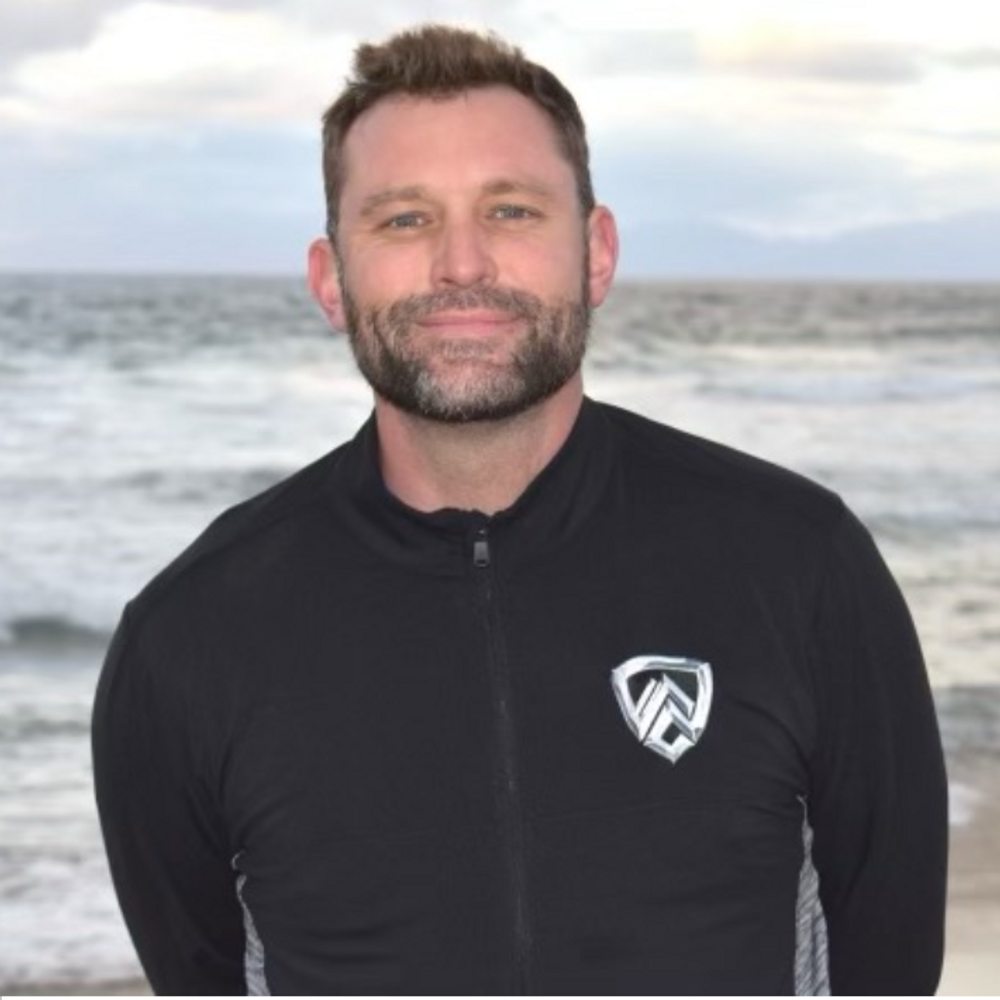
Written by Tynan Mason of Higher Grounds Management
The Generation of Certainty
We are raising a generation that is allergic to uncertainty. With a smartphone in their pocket, a teenager never has to wonder about the weather, get lost in a new city, or sit with the discomfort of not knowing an answer. They can Google the ending of a movie before they watch it. They can stalk a blind date on Instagram before they meet. They have engineered the unknown out of their lives.
While this feels safe, it is developmentally disastrous. Growth only happens in the unknown.
Confidence is only built when we face a situation where the outcome is not guaranteed and we survive it. By avoiding the unknown, teens are fueling a massive spike in anxiety. They are terrified of the "fog" of real life because they have never practiced walking through it without a digital GPS. To help them launch, we must teach them to embrace the discomfort of the new.
The Trap of Avoidance
Avoidance is the fuel of anxiety. When a teen feels nervous about a task, calling a stranger, starting a difficult essay, or having a face-to-face conversation, their instinct is to retreat to the screen. In the short term, this avoidance lowers their anxiety. It feels like relief.
However, psychology tells us that this relief is a trap. By avoiding the stressor, the brain never learns that the situation is safe. Instead, it sensitizes the brain to the threat. The next time the task comes up, the anxiety is even higher. This creates a debilitating cycle where the teen’s world shrinks smaller and smaller until they are confined to their bedroom and their device.
The only way out is through. This concept, known in clinical circles as "exposure," is the gold standard for treating anxiety. You must expose yourself to the thing you fear to prove to your amygdala, the brain’s fear center, that you can handle it.
The Power of Breaking It Down
The unknown is overwhelming because it looks like a giant, shapeless mountain. A teen looks at "applying for college" or "getting a job" and freezes because the task is too big and undefined. They lack the executive functioning skills to see the steps, so they see a wall.
One of the core skills we teach in the 3 to 7 Day Challenge is the art of breaking tasks down.
We do not ask them to "fix their life" in one day. We ask them to do one small, concrete thing.
When you slice a terrifying task into micro-goals, it becomes manageable. "Write a resume" is scary. "Open a blank document and type your name" is easy. By teaching teens to focus only on the immediate next step, we lower the barrier to entry. This overcomes the paralysis of perfectionism. They learn that they do not need to see the whole staircase; they just need to take the first step.
Consistency Over Intensity
Teens often have an "all or nothing" mentality. They think they need to pull an all-nighter to catch up on school or go to the gym for three hours to get fit. This intensity is unsustainable and usually leads to burnout and quitting.
The antidote to avoidance is not intensity; it is consistency. It is the drip, drip, drip of daily action. In the 3 to 7 Day Challenge, the tasks are designed to be consistent. We require them to show up every single day.
This consistency rewires the brain. It builds self-trust. When a teen does something small and difficult for 21 days in a row, they prove to themselves that they are reliable. They learn that progress is not a straight line up, but a series of small, repetitive actions. This is how the unknown is conquered, not by a heroic leap, but by a steady march.
The Parallel Process: What Are You Avoiding?
As with every aspect of our program, the "Parallel Process" applies here. Parents, what are you avoiding? Are you avoiding the conflict that comes with taking the phone away? Are you avoiding the unknown of what will happen if your child gets angry at you?
Many parents enable their teen's avoidance because they themselves want to avoid the discomfort of a meltdown. You might say, "I'll just do the laundry for him, it's easier than fighting about it." This is your own avoidance cycle. By avoiding the conflict, you are robbing your teen of the chance to learn responsibility.
To lead your family, you must step into your own unknown. You must be willing to set a boundary without knowing exactly how your teen will react, secure in the knowledge that you can handle the fallout. You must model courage.
Confronting the Ultimate Unknown: The Digital Detox
For a modern teenager, there is no greater "unknown" than a day without a phone. The device is their tether to reality. Taking it away plunges them into a silence they find terrifying. They are forced to confront their own thoughts, their own boredom, and their own company.
This is why experiences like The Ranch are so transformative. We drop them into the unknown. They are in a new environment, Creston, California, with new peers and large animals that demand respect.
At The Ranch, they cannot Google "how to bond with a horse." They have to try, fail, adjust, and try again. This experiential learning is the fastest way to build resilience. They learn that the unknown is not a threat; it is an adventure. They realize that they are capable of figuring things out in real-time, without a digital safety net.
The Benefit: A Capable Adult
The ultimate benefit of overcoming avoidance is capability. A teen who can confront the unknown is a teen who can navigate a job interview, a breakup, a move to a new city, or a financial crisis.
When we stop letting them hide behind screens and force them to engage with the world, we are giving them evidence of their own competence. We are teaching them that the feeling of fear is not a stop sign, it is a compass pointing them toward growth.
The 3 to 7 Day Digital Detox Challenge E-Course is a training ground for this mindset. It is a controlled exposure to discipline, reflection, and action. It turns the unknown from a monster into a map.
Higher Grounds Management works with families nationwide and welcomes out-of-state parents who are ready for a different approach.
Breakthroughs happen when environment, accountability, and support align.
If you’re in Manhattan Beach, Hermosa Beach, Redondo Beach, El Segundo, Torrance, Rolling Hills, Rancho Palos Verdes, Newport Beach, Corona Del Mar, or anywhere in Orange County, Higher Grounds Management is here to help. We also offer virtual support and therapy to families nationwide.
Join us for our new digital detox and wellness retreat for youth ages 10-12, teens, and young adults at The Ranch.
Want to monitor and limit your teen's screen time? Follow our free set-up guide for the Qustodio App.
PuraVida Therapy: Gratitude & Wellness Retreats for Teens & Young Adults. Surf 🏄 + Skate 🛹 + Snow 🏂
Get access to our exclusive e-course for children, teens, and young adults struggling with screen addiction: The 3 to 7 Day Digital Detox Challenge E-Course.
We’re here to help, in your home or virtually. Contact us today to get started.
Written by Tynan Mason of Higher Grounds Management.


