


Does Your Teen or Young Adult Never Come Out of Their Room? How Award-Winning Behavioral Intervention from Higher Grounds Mgmt Can Bring Them Out and Restore Your Connection
Join us for our new digital detox and wellness retreat for youth ages 10-12, teens, and young adults at The Ranch.
Discover the step-by-step strategies to restore connection and establish healthy digital boundaries in your home with our interactive Family Playbook.
Want to monitor and limit your teen's screen time? Follow our free set-up guide for the Qustodio App.
Get access to our exclusive e-course for children, teens, and young adults struggling with screen addiction: The 3 to 7 Day Challenge.
PuraVida Therapy: Gratitude & Wellness Retreats for Teens & Young Adults. Surf 🏄 + Skate 🛹 + Snow 🏂
Contact a behavioral consultant team that is proven to get results for you and your family, no matter which city and state you live in, with Higher Grounds Mgmt.
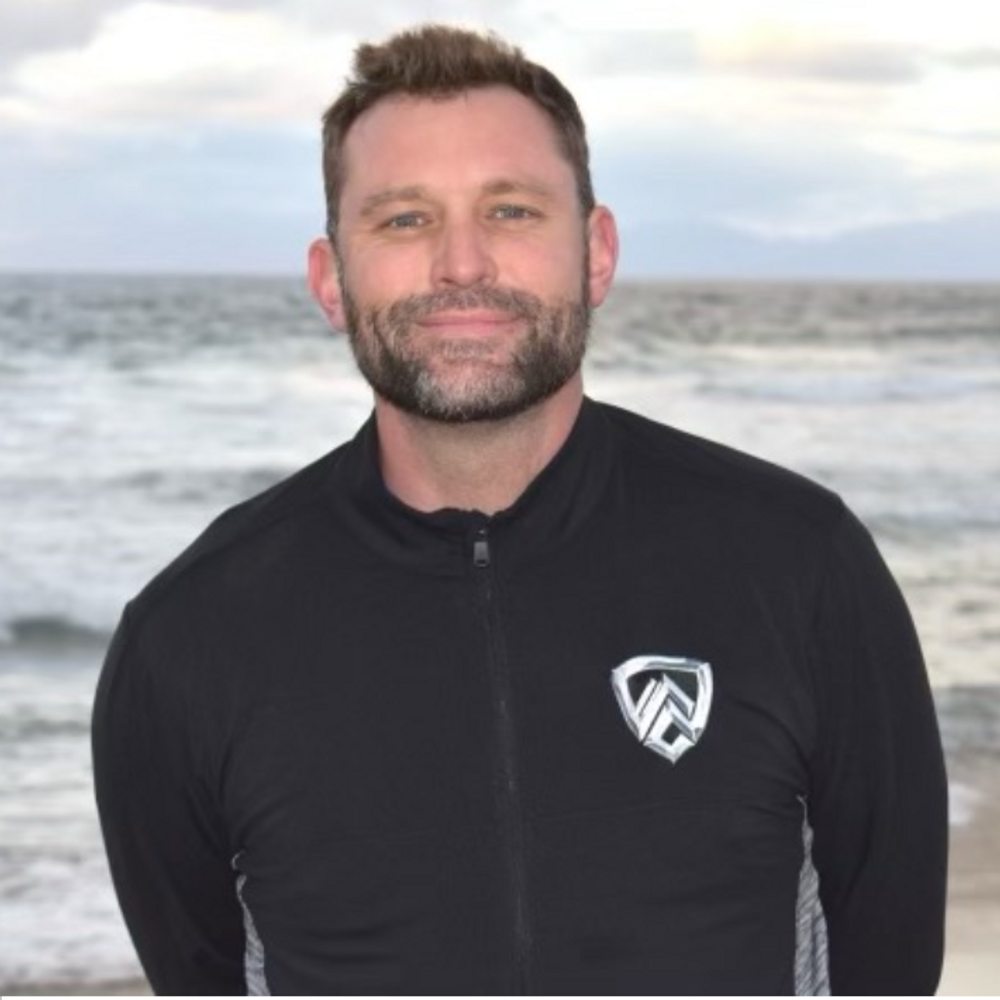
Written by Tynan Mason of Higher Grounds Management
The Disappearance of the "Living Room" Teen
A generation ago, the bedroom was a place to sleep and maybe do homework. If a teenager wanted to be entertained, watch a movie, or talk to the family, they had to come out to the living room or the kitchen. The architecture of the home forced interaction.
Today, the teen bedroom has transformed into a self-contained apartment. With a laptop, a smartphone, and a gaming console, a teen never needs to leave. They can socialize, learn, be entertained, and even eat without stepping foot in a shared family space.
We call this "Cave Syndrome." Parents often view it as a privacy phase, but in many cases, it is a retreat from reality. When the door closes, the walls go up, both literally and metaphorically. The teen is isolating themselves in a controlled environment where they don't have to deal with the messy, unpredictable dynamics of family life.
The Biology of the Cave
The problem with spending 18 hours a day in a dimly lit room is not just social; it is biological.
Humans are phototrophic; we need light. Exposure to natural sunlight triggers the release of serotonin (mood regulation) and sets the circadian rhythm. When a teen lives in the dark, staring at blue light screens, they disrupt their biological clock.
This leads to "social jetlag." Their body thinks it is day when it is night, and night when it is day. The lack of sunlight contributes to Vitamin D deficiency, which is strongly linked to depression. By allowing them to stay in the cave, we are creating an environment that biologically manufactures depressive symptoms.
Avoidance Coping
Psychologically, the bedroom becomes a "safe space," but often in a maladaptive way. If a teen is anxious about school or annoyed with a parent, retreating to the room is an act of avoidance coping.
Instead of facing the stressor, they hide from it. The screen becomes the numbing agent. The longer they stay in the room, the scarier the world outside the door becomes. They lose the social fortitude needed to handle normal interactions.
We often see a correlation: the more time a teen spends in their room, the lower their distress tolerance becomes. They start to view the family living room not as a communal space, but as a hostile territory.
Reclaiming the Common Areas
At Higher Grounds Management, one of our first interventions is restructuring the home environment. We believe that bedrooms are for sleeping, not living.
We coach parents on how to move the center of gravity back to the shared spaces.
No Tech in Bedrooms: This is a hard rule, but a necessary one. If the entertainment is in the living room, the teen must come to the living room.
Open Door Policies: Reducing the physical barrier helps reduce the emotional barrier.
Shared Meals: Mandating time where the family sits together without devices.
This transition is often met with resistance. The teen will protest that you are invading their privacy. But often, deep down, they are relieved. The cave can be a lonely place. By pulling them out, you are reminding them that they belong to a tribe.
At The Ranch, we see this all the time: teens come in believing they can juggle schoolwork, texts, videos, and constant stimulation, but what’s really happening is mental fragmentation that drains focus, stretches simple tasks into hours, and leaves them discouraged. That’s why we work on it so intentionally at The Ranch…because when a teen learns to train attention, reduce switching, and rebuild real concentration, they don’t just improve school performance; they begin to reclaim clarity, confidence, and control over their life.
The Ultimate Pattern Interrupt: The Ranch
For teens who are deeply entrenched in their isolation, who refuse to leave their room for days at a time, stronger intervention is needed.
The Ranch provides the ultimate antidote to Cave Syndrome. Here, there is no place to hide. The day is spent outside, under the sky, in constant interaction with nature and people.
We see a physical transformation occur when a "cave kid" is exposed to fresh air and sunlight for a week. Their skin color returns. Their posture opens up. Their energy lifts. They realize how small their world had become, and how big the real world actually is.
Don't Let Them Fade Away
It is easy to let a teenager drift into their room. It is quieter. It causes less conflict. But the silence of a closed door is not peace; it is distance.
Your teen needs you, even if they act like they don't. They need your presence, your annoying questions, and your kitchen table chatter. They need to be pulled out of the bunker and back into the light.
Higher Grounds Management works with families nationwide and welcomes out-of-state parents who are ready for a different approach.
Breakthroughs happen when environment, accountability, and support align.
If you’re in Manhattan Beach, Hermosa Beach, Redondo Beach, El Segundo, Torrance, Rolling Hills, Rancho Palos Verdes, Newport Beach, Corona Del Mar, or anywhere in Orange County, Higher Grounds Management is here to help. We also offer virtual support and therapy to families nationwide.
Join us for our new digital detox and wellness retreat for youth ages 10-12, teens, and young adults at The Ranch.
Want to monitor and limit your teen's screen time? Follow our free set-up guide for the Qustodio App.
Get access to our exclusive e-course for children, teens, and young adults struggling with screen addiction: The 3 to 7 Day Challenge.
We’re here to help, in your home or virtually. Contact us today to get started.
Written by Tynan Mason of Higher Grounds Management.


