


Are You Saving Your Teen from the Very Weight They Need to Carry?
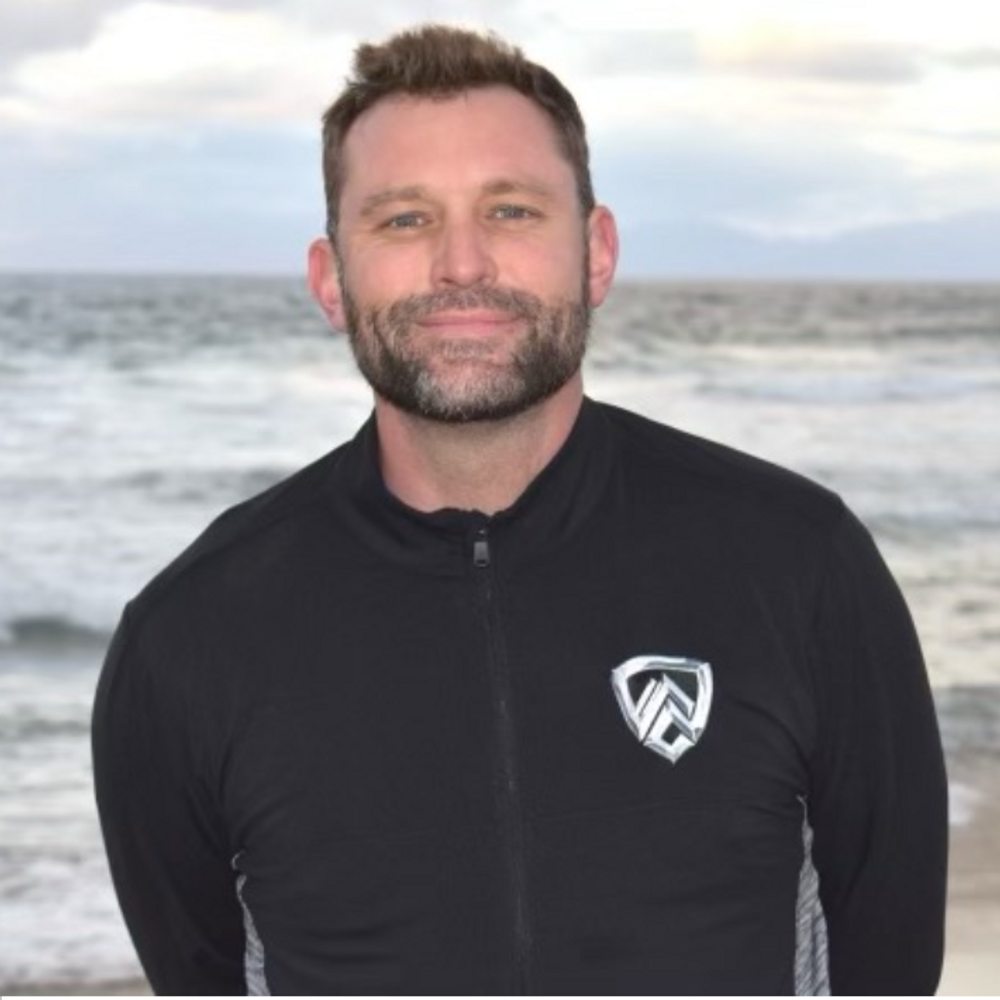
- Tynan Mason of Higher Grounds Management
- Feb 6
- 5 min read
Join us for our new digital detox and wellness retreat for youth ages 10-12, teens, and young adults at The Ranch.
Discover the step-by-step strategies to restore connection and establish healthy digital boundaries in your home with our interactive Family Playbook.
Want to monitor and limit your teen's screen time? Follow our free set-up guide for the Qustodio App.
Get access to our exclusive e-course for children, teens, and young adults struggling with screen addiction: The 21 Day Challenge.
Contact a behavioral consultant team that is proven to get results for you and your family, no matter which city and state you live in, with Higher Grounds Mgmt.
Written by Tynan Mason of Higher Grounds Management
The Victim Mindset vs. The Owner Mindset
If something goes wrong in your teen’s life, such as a bad grade, a missed deadline, or a lost phone, whose fault is it? If their answer is the teacher, the traffic, or "bad luck," they are operating with a victim mindset. They believe life is something that happens to them, rather than something they create.
This mindset is comfortable because it requires no change. But it is also paralyzing. It strips them of their power. The shift to adulthood happens when a teen moves from "It’s not my fault" to "This is my responsibility."
Responsibility is the ownership of one's life. It is the understanding that your output is determined by your input. At Higher Grounds Management, we view responsibility not as a burden to be avoided, but as a superpower to be cultivated. When a teen accepts responsibility, they stop being a passenger in their own life and start driving the car.
Progressive Overload for the Soul
In the gym, you do not get stronger by lifting the same light weight every day. You get stronger through progressive overload, which is the act of gradually increasing the weight until your muscles adapt to handle the load. Character works the exact same way.
We teach teens a fundamental truth: The more you take on today, the stronger you are for the difficulties of tomorrow.
If a teen avoids small responsibilities now, like making their bed, managing their homework, or walking the dog, they are atrophying their ability to handle the heavy weights of adulthood. These heavy weights include things like a mortgage, a career, or a marriage. By encouraging them to take on more, even when it feels heavy, we are training them. We are building the structural integrity they will need when life inevitably gets hard. A teen who can carry the weight of their own commitments is a teen who will not crumble under pressure.
Fighting the Short-Term Feeling
The greatest enemy of responsibility is the short-term feeling. It is the voice that says, "I don't feel like it right now." It is the urge to procrastinate because the task is boring or difficult.
Screen addiction weaponizes this. It offers an immediate, high-dopamine alternative to the low-dopamine task of responsibility. Why write an essay when you can watch a video? Why clean the garage when you can game?
We coach teens to separate their feelings from their commitments. Maturity is the ability to say, "I really do not want to do this, but I said I would, so I will." This is the hard choice. Every time a teen fights that short-term urge to procrastinate and follows through, they hack a path through the jungle of their own impulses. They prove to themselves that they are master of their own mood, not a slave to it.
Accountability: Fixing What You Broke
Responsibility is doing what you are supposed to do. Accountability is what happens when you don't.
Many teens think accountability just means saying "I'm sorry" and moving on. We teach a different definition. Accountability is owning the result of your actions and taking active steps to repair the damage.
If you failed a test because you didn't study, accountability is not just admitting it. It is staying after school to make up the work. If you broke a parent's trust by sneaking out, accountability is not just apologizing. It is accepting the grounding without complaint and working to earn that trust back.
True accountability creates a feedback loop. It forces the teen to feel the weight of their mistake. That weight is the teacher. It ensures that the mistake is a lesson, not a lifestyle.
The Parallel Process: The Parent’s Accountability
This is the part that is often hardest for families to hear. We cannot demand accountability from our children if we do not possess it ourselves. This is the "Parallel Process."
Many parents struggle to hold their teens accountable because it is exhausting. It is easier to give the phone back early to stop the whining. It is easier to clean the room yourself than to fight about it for the tenth time.
But here is the hard truth: If you set a boundary and fail to enforce it, you are the one being irresponsible.
You are responsible for holding the standard. When you cave, you are teaching your teen that your word is not your bond. You are teaching them that if they push hard enough, reality will bend.
Higher Grounds Management empowers parents to be accountable for their role as the authority figure. We help you find the strength to say, "I love you, but the answer is no." When you hold the line, even when it is uncomfortable or when you are tired, you are modeling the very integrity you want your teen to possess. You are showing them that commitments matter.
No Excuses at The Ranch
In a digital world, excuses are easy to manufacture. In the physical world of The Ranch, excuses evaporate.
If a teen forgets to latch a gate, the animal gets out. If they procrastinate feeding, the animal goes hungry. There is no spin room. There is no debate. The environment demands total accountability.
This clarity is healing. It strips away the manipulation and the gaslighting that often happens in households. The teen is forced to confront the direct link between their action and the result. This experiential learning at our Creston, California retreat hardwires the concept of responsibility into their behavior in a way that lectures never can.
The Empowered Future
A responsible teen is a free teen. When a parent sees that their child follows through, owns their mistakes, and fights the urge to procrastinate, the leash gets longer. Trust grows.
By teaching your teen to embrace the weight of responsibility, you are not burdening them. You are liberating them. You are giving them the strength to walk into the world with their head high, knowing that whatever happens, they have the power to handle it.
Higher Grounds Management works with families nationwide and welcomes out-of-state parents who are ready for a different approach.
Breakthroughs happen when environment, accountability, and support align.
If you’re in Manhattan Beach, Hermosa Beach, Redondo Beach, El Segundo, Torrance, Rolling Hills, Rancho Palos Verdes, Newport Beach, Corona Del Mar, or anywhere in Orange County, Higher Grounds Management is here to help. We also offer virtual support and therapy to families nationwide.
Join us for our new digital detox and wellness retreat for youth ages 10-12, teens, and young adults at The Ranch.
Want to monitor and limit your teen's screen time? Follow our free set-up guide for the Qustodio App.
Get access to our exclusive e-course for children, teens, and young adults struggling with screen addiction: The 21 Day Challenge.
We’re here to help, in your home or virtually. Contact us today to get started.
Written by Tynan Mason of Higher Grounds Management.




Comments